
sábado, 9 de mayo de 2009
Carta a Jürgen Klinsmann, ex entrenador de Bayern München
Hallo, Klinsi:
ojala que todos te recordarán como el mago del mundial 2006 en Alemania, y no como el coach que fracasó con las estrellas del Bayern.
En Alemania todavía reina la nostalgia de aquel ‘sueño de verano’, la milagrosa resurrección del fútbol alemán. Vos fuiste el héroe de esta gesta, más que cualquiera de los jugadores estrella. Tus paisanos te adoraron, porque les permitiste volver a sentirse orgullosos de ser alemanes.
El Bayern, ya en crisis, quiso comprar este sueño, por esto te contrataron. Pero el Bayern es otra cosa que la “Mannschaft”, como llaman a la selección alemana. El Bayern no es un lugar para revoluciones, es un lugar para hacer plata. No es un club deportivo, sino una licencia para imprimir dinero. Es como el Real Madrid... y por eso los dos están fracasando.
Vos querías obligar al Bayern a jugar fútbol moderno, ofensivo, elegante. Esto tarda, como todas las revoluciones. Mientras tanto, tal vez se pierde - ¿y qué?
Te echaron. ¿Y qué? Las leyendas no se pueden despedir.
Tu fan Paolo Lüers
Posdata: Aquí en este paisito, lo mismo le pasó a un hombre llamado Rodrigo. Lo llamaron para salvar a un club conocido como ARENA, pero no le dieron el poder de poner en su lugar a todo el equipo de estrellas. Jugaron mal, perdieron, y lo echaron.
Moraleja: No tomés el mando de un equipo de jugadores que no puedes mandar a la mierda...
(Publicado en Más!)

viernes, 8 de mayo de 2009
¿Cuál es el pecado?
A mi también me hubiera gustado que la constitución del bloque opositor ARENA-PCN-PDC se hay manifestado en un hecho más agradable que la elección de Ciro Cruz Zepeda como presidente de la nueva Asamblea Legislativa - un hecho capaz de marcar la pauta de una agenda propositiva de la oposición y de poner en manifiesto su vocación de reforma. Por ejemplo que hubieran impulsado, conjuntamente y como iniciativa emblemática de la oposición, la reforma electoral integral.
Pero, primeras cosas primero. Hubo necesidad de ratificar la unidad de la oposición en la primera sesión de la nueva Asamblea, el 1 de mayo - y en esta plenaria inaugural lo que está en la agenda es la constitución de la Junta Directiva, nada más. Las reformas vienen después – y ojala sin perder tiempo.
¿Por qué la necesidad de usar esta primera sesión de la Asamblea y la elección de su presidente para ratificar la unidad de los partidos de oposición? Porque había que cortar en seco el intento del FMLN y de ciertos prominentes Amigos de Mauricio de dividir la oposición, con los métodos que ellos han criticado durante décadas: compra de diputados, chantaje, promesas de beneficios por parte del futuro ejecutivo...
El encachimbamiento del Frente con la elección del presidente de la Asamblea no se debe en nada a la falta de idoneidad de Ciro Cruz Zepeda, tampoco a la “oportunidad perdida de una concertación entre los dos partidos grandes”. Sobre esa paja derraman lágrimas en público. Pero su ira se debe a qué a la hora de las horas todos los 47 diputados del PDC, del PCN y de ARENA votaron en bloque, incluyendo los diputados que habían sido sujeto de presión, ofertas, y enamoramientos por parte del FMLN, del CD y de los Amigotes. Todo un despliegue de ‘reclutamiento’ y al final sólo un nuevo diputado para la bancada de ‘el cambio’, Orlando Arevalo.
Es en este momento de frustración que llamaron a sus brigadas móviles a tomarse la Asamblea. Es en este momento en que empezaron a arremeter contra ‘el bloque de derecha’, que según ellos es muestra de ‘falta de voluntad de concertar’ y atenta contra ‘la voluntad de un pueblo’ que --según ellos-- ha votado por ‘el cambio’.
Pero cuidado, el electorado votó por el cambio del ejecutivo – y nadie lo está boicoteando, por lo contrario. El electorado no votó por una mayoría de la izquierda en la Asamblea, por lo contrario. Hoy argumentan como si el pueblo hubiera votado por un presidente de la Asamblea y una maniobra oscura de los tres partidos de oposición les hubiera robado esta victoria poniendo a don Ciro...
El electorado votó por un cambio en el ejecutivo y puso como contrapeso una Asamblea Legislativa con mayoría de los partidos de oposición. Punto. Esa voluntad popular se expresó en la elección de la Junta Directiva y su presidente. Nos guste o no la figura de Ciro Cruz Zepeda o el hecho que el votante le volvió a dar al PCN la clave de la mayoría parlamentaria, esa es la realidad que emana de las elecciones del 18 de enero. Todo lo demás son sueños mojados.
Se entiende que al FMLN y al presidente electo les hubiera gustado una división de los partidos minoritarios. O el plan B --dejar al PCN afuera, repartiendo el pastel entre ARENA y FMLN-- para después jalarlo a una nueva edición de alianza azulgrana. Cualquier cosa para conseguirle mayoría simple al gobierno entrante, al precio que sea.
Después de fracasar rotundamente los planes A (comprar diputados) y B (convencer a ARENA a abandonar a sus aliados y repartir el pastel entre los grandes), dirigentes del FMLN como Lorenzana todavía hablan abiertamente de la posibilidad de cambiar la correlación en la Asamblea. No se sabe si piensan aumentar las ofertas o aumentar las amenazas. O si simplemente piensan que pueden ganar esta batalla en la opinión pública, deslegitimando la unidad de la oposición y creando presión popular a que ‘el cambio’ se aplique en la Asamblea. Y después en la Corte...
Pero la gente no es tan dunda que piensan. La gente sabe que ‘el cambio’ no es la nueva ideología oficial del Estado, sino la consigna de un partido que logró ganar el poder ejecutivo. En Venezuela, Ecuador, Nicaragua y Bolivia los partidos del Socialismo del Siglo 21 han logrado crear esta confusión: de repente el estado es declarado ‘bolivariano’, ‘revolucionario’, ‘socialista’. Ideologías impuestas por el partido de gobierno a toda la sociedad, y en nombre de esta nueva identidad nacional reclaman que la Fuerza Armada, las cortes, las instituciones todas apoyen al gobierno y su ideología.
Para que esto no pase, ni en grande ni en chiquito, está la unidad de la oposición. Y eso de ninguna manera atenta contra la necesidad de concertación. Habrá que concertar muchas cosas, empezando con las elecciones de fiscal general y magistrados, y luego para viabilizar las reformas políticas necesarias. Pero no será una concertación entre dos partidos, sino una concertación entre gobierno (y los partidos y grupos que lo apoyan) y una oposición unida.
Claro que le encantaría a Funes a sentarse a concertar con una oposición dividida, reducida por la deserción de diputados y debilitada por conflictos internos. Con la recomposición de la dirección de ARENA, con el cese de hostilidades dentro de ARENA y con la constitución exitosa del bloque opositor, parece que va a tener que sentarse a concertar con una oposición fuerte. Por más que este le disguste, es mejor para una concertación exitosa. El sistema, para poderse fortalecer y reformar, necesita que ambos –gobierno y oposición- sean fuertes y vitales.
Pero, primeras cosas primero. Hubo necesidad de ratificar la unidad de la oposición en la primera sesión de la nueva Asamblea, el 1 de mayo - y en esta plenaria inaugural lo que está en la agenda es la constitución de la Junta Directiva, nada más. Las reformas vienen después – y ojala sin perder tiempo.
¿Por qué la necesidad de usar esta primera sesión de la Asamblea y la elección de su presidente para ratificar la unidad de los partidos de oposición? Porque había que cortar en seco el intento del FMLN y de ciertos prominentes Amigos de Mauricio de dividir la oposición, con los métodos que ellos han criticado durante décadas: compra de diputados, chantaje, promesas de beneficios por parte del futuro ejecutivo...
El encachimbamiento del Frente con la elección del presidente de la Asamblea no se debe en nada a la falta de idoneidad de Ciro Cruz Zepeda, tampoco a la “oportunidad perdida de una concertación entre los dos partidos grandes”. Sobre esa paja derraman lágrimas en público. Pero su ira se debe a qué a la hora de las horas todos los 47 diputados del PDC, del PCN y de ARENA votaron en bloque, incluyendo los diputados que habían sido sujeto de presión, ofertas, y enamoramientos por parte del FMLN, del CD y de los Amigotes. Todo un despliegue de ‘reclutamiento’ y al final sólo un nuevo diputado para la bancada de ‘el cambio’, Orlando Arevalo.
Es en este momento de frustración que llamaron a sus brigadas móviles a tomarse la Asamblea. Es en este momento en que empezaron a arremeter contra ‘el bloque de derecha’, que según ellos es muestra de ‘falta de voluntad de concertar’ y atenta contra ‘la voluntad de un pueblo’ que --según ellos-- ha votado por ‘el cambio’.
Pero cuidado, el electorado votó por el cambio del ejecutivo – y nadie lo está boicoteando, por lo contrario. El electorado no votó por una mayoría de la izquierda en la Asamblea, por lo contrario. Hoy argumentan como si el pueblo hubiera votado por un presidente de la Asamblea y una maniobra oscura de los tres partidos de oposición les hubiera robado esta victoria poniendo a don Ciro...
El electorado votó por un cambio en el ejecutivo y puso como contrapeso una Asamblea Legislativa con mayoría de los partidos de oposición. Punto. Esa voluntad popular se expresó en la elección de la Junta Directiva y su presidente. Nos guste o no la figura de Ciro Cruz Zepeda o el hecho que el votante le volvió a dar al PCN la clave de la mayoría parlamentaria, esa es la realidad que emana de las elecciones del 18 de enero. Todo lo demás son sueños mojados.
Se entiende que al FMLN y al presidente electo les hubiera gustado una división de los partidos minoritarios. O el plan B --dejar al PCN afuera, repartiendo el pastel entre ARENA y FMLN-- para después jalarlo a una nueva edición de alianza azulgrana. Cualquier cosa para conseguirle mayoría simple al gobierno entrante, al precio que sea.
Después de fracasar rotundamente los planes A (comprar diputados) y B (convencer a ARENA a abandonar a sus aliados y repartir el pastel entre los grandes), dirigentes del FMLN como Lorenzana todavía hablan abiertamente de la posibilidad de cambiar la correlación en la Asamblea. No se sabe si piensan aumentar las ofertas o aumentar las amenazas. O si simplemente piensan que pueden ganar esta batalla en la opinión pública, deslegitimando la unidad de la oposición y creando presión popular a que ‘el cambio’ se aplique en la Asamblea. Y después en la Corte...
Pero la gente no es tan dunda que piensan. La gente sabe que ‘el cambio’ no es la nueva ideología oficial del Estado, sino la consigna de un partido que logró ganar el poder ejecutivo. En Venezuela, Ecuador, Nicaragua y Bolivia los partidos del Socialismo del Siglo 21 han logrado crear esta confusión: de repente el estado es declarado ‘bolivariano’, ‘revolucionario’, ‘socialista’. Ideologías impuestas por el partido de gobierno a toda la sociedad, y en nombre de esta nueva identidad nacional reclaman que la Fuerza Armada, las cortes, las instituciones todas apoyen al gobierno y su ideología.
Para que esto no pase, ni en grande ni en chiquito, está la unidad de la oposición. Y eso de ninguna manera atenta contra la necesidad de concertación. Habrá que concertar muchas cosas, empezando con las elecciones de fiscal general y magistrados, y luego para viabilizar las reformas políticas necesarias. Pero no será una concertación entre dos partidos, sino una concertación entre gobierno (y los partidos y grupos que lo apoyan) y una oposición unida.
Claro que le encantaría a Funes a sentarse a concertar con una oposición dividida, reducida por la deserción de diputados y debilitada por conflictos internos. Con la recomposición de la dirección de ARENA, con el cese de hostilidades dentro de ARENA y con la constitución exitosa del bloque opositor, parece que va a tener que sentarse a concertar con una oposición fuerte. Por más que este le disguste, es mejor para una concertación exitosa. El sistema, para poderse fortalecer y reformar, necesita que ambos –gobierno y oposición- sean fuertes y vitales.
(EL DIARIO DE HOY, Observador)
jueves, 7 de mayo de 2009
Columna transversal: Detrás de la controversia, una persona real
Hay una controversia sobre el aborto, no sólo en El Salvador, sino a nivel mundial. Hubo una controversia muy polémica sobre un reportaje del New York Times, que falsamente publicó que en El Salvador una mujer había sido condenada a 30 años de cárcel por haber abortado. En esta controversia intervinieron articulistas, notas noticiosas, ONGs pro y contra el aborto, jueces y fiscales opinando y contra opinando...
Todos tienen, desde su punto de vista, argumentos de peso. ¿Pero alguien se preocupa de la persona real detrás de la controversia? Parece que sólo las mujeres que ahora promueven la reapertura del caso.
La mujer está desde hace siete años en la cárcel de Ilopango, condenada a 30 años de cárcel. Primero la acusaron de aborto, pero ella no abortó. Después la acusaron de homicidio agravado, por la muerte de su hija recién nacida. Fue encontrada culpable y condenada a 30 años de prisión.
No tiene la culpa que de repente se encuentra en el ojo del huracán de la controversia sobre el aborto. No hizo nada para provocar esto. Más bien se debe a las falsas denuncias de grupos que abogan por la legalización del aborte, se debe a un reportaje muy poco profesional del New York Times, y se debe a la desmesurada reacción de los adversarios del aborto. Pero de repente, esta mujer se encuentra en el centro de esta batalla sobre el aborto. Es absurdo, porque ella es madre de tres hijos que tuvo a pesar de su situación social precaria, y tampoco procedió a abortar cuando salió embarazada por cuarta vez, a pesar de haberse sometido a una operación de esterilización en el Hospital de San Bartolo. Operación que obviamente falló.
Hoy aparecen muchos indicios que la mujer tampoco es culpable de homicidio. Fue condenada, como muchos salvadoreños que viven en pobreza e ignorancia y no gozan del derecho a una defensa adecuada. Es hasta ahora que la mujer dispone de abogados que cuestionan los expedientes forenses, en los cuales se basó su condena por homicidio. Resulta que ahora que tiene defensores, ellos consultan con expertos nacionales e internacionales que dictaminan que la recién nacida niña murió en el parto por falta de atención adecuada. El parto fue no atendido, porque la madre decidió mantener secreto su embarazo y tampoco buscó ayuda cuando fue sorprendida por los dolores.
Si tienen razón los expertos, la mujer es culpable de ignorancia y negligencia, pero no de homicidio. Si hubiera tenido una defensa apropiada en el 2002, nunca la hubieron podido condenar de homicidio. Hubiera pagado una condena por negligencia, y a esta altura se estaría dedicando a cuidar de sus tres hijos.
En esta semana se presentó al Tercer Juzgado de Sentencia la solicitud de revisión del caso, alegando que la mujer no ha gozado del derecho de una defensa apropiada y en base de dictámenes forenses cuestionables.
Escribo estas líneas, no para decir si esta mujer es culpable o no. Esto lo tienen que decidir los jueces. Pero me atrevo a decir dos cosas: Primero, la mujer tiene derecho a que vuelvan a abrir su caso, ya que en el primer juicio no han intervenido ni expertos forenses ni defensores competentes.
Segundo, no puede ser que la controversia sobre el aborto que existe en nuestra sociedad y en la opinión pública le reste a Karina Clímaco --así se llama la mujer en Ilopango-- posibilidades de ser escuchada en la opinión pública y de tener un juicio justo. Ni los fanatismos de los dos bandos que discuten sobre los derechos reproductivos de las mujeres, ni la mala conducta profesional del New York Times, ni la controversia que esta mala conducta provocó, ni nada debe comprometer el derecho que esta mujer tiene a un juicio justo, a una opinión pública que no la vuelva a condenar de antemano, a medios de comunicación que la escuchen, y a una defensa digna.
(El Diario de Hoy, páginas editoriales)
Carta a Juan Ramón Medrano, ex-comandante ‘Balta’ de la BRAZ y nuevo jefe del CAM
Carta a Juan Ramón Medrano, ex-comandante ‘Balta’ de la BRAZ y nuevo jefe del CAM
Querido Balta:
Tengo que confesarte que cuando leí de tu nombramiento como jefe del CAM, me dio risa. ¡El orgulloso comandante de la temible brigada guerrillera BRAZ, comandando a la brigada de panzones que multan a los bolos quienes se orinan en el parque!
Pero luego me puse a pensar otra cosa: Balta nunca ha sido militar. Muy comandante haya sido, pero sobre todo fue constructor de guerrilla. Fue el hombre que agarró a una multitud de milicianos, muchos de ellos los típicos lúmpenes, bolos y pleitistas de la zona costera, y los transformó en combatientes disciplinados y motivados. Construyó una tropa temible, pero respetada.
¿Y por qué Balta no puede hacer lo mismo ahora: agarrar a una tropa de milicianos instalados en el CAM por dirigentes de las FPL, y transformarlos en un cuerpo disciplinado y profesional? A lo mejor la idea de Norman de poner como jefe del CAM a un ex-comandante no fue tan descabellada, sino expresión de una visión moderna, democrática de la policía comunitaria...
Siendo así, te felicito, Balta. Siempre has sido un hombre que no rehúsa retos difíciles ni misiones imposibles. Siempre debajo de tu uniforme había un pensador político. No hay peligro que el estar al mando del CAM te emborrache de ilusiones de poder o te enferme de ambiciones. Tal vez sos el único que puede agarrar el CAM, despolvarlo, quitarle el carácter paramilitar y ponerlo a trabajar para la comunidad.
Te saludo, Paolo Lüers
miércoles, 6 de mayo de 2009
Spain considers prosecuting U.S. officials for torture
It is an interesting legal question: Can a Spanish criminal court prosecute U.S. officials for laying the groundwork for the torture of Spanish citizens held at Guantanamo Bay? A Spanish judge, Baltasar Garzon, has ordered an inquiry into whether six senior Bush administration officials -- including former Atty. Gen. Alberto R. Gonzales -- were responsible for "an authorized and systematic plan for torture," according to a court document. Times editorial writer Marjorie Miller asked British barrister and law professor Philippe Sands, author of the book "Torture Team: Rumsfeld's Memo and the Betrayal of American Values," to explain the legal underpinnings of such a procedure.
The Spanish case targets the government lawyers -- including former Atty. Gen. Alberto R. Gonzales -- whose legal opinions laid the groundwork for so-called harsh interrogations. Why the lawyers?
When the administration decided to move to aggressive techniques, it seems they turned to lawyers who could be relied upon to sign on. They systematically excluded from the process those lawyers who would have given contrary advice. But for the lawyers, these abuses, this torture, would not have happened.
So the administration got bad advice from lawyers; they didn't have to take it. Why does that make the lawyers guilty?
The lawyers appear to have been part of a plan to subvert the law. First the administration fixed on a policy of cruelty, then they found the lawyers to sign off on it. On my reading, the lawyers acted not in the service of providing fearless, independent legal advice, but provided support to a predetermined policy of abuse. In that way, they became complicit in a policy of torture.
Is there legal precedent in going after the lawyers?
There is legal precedent. The precedent includes U.S. military tribunals in Germany in the 1940s. More recently, you've got actions in Britain, Spain and the United States where lawyers, for example, designed money-laundering schemes intended to subvert rules that criminalize money laundering. There are plenty of cases to show that, where lawyers act in a way to subvert the rules, they can themselves become complicit in crime.
Still, why not the torturers or the top political leaders?
I focused on the lawyers because I wanted to understand the circumstances in which they became complicit, but of course it goes even higher. As of April 29, the case in Spain has taken a broader and more extensive turn. Judge Baltasar Garzon will look at the Bush Six and all those individuals who bear responsibility for the policy of torture and abuse. The case will look not just at the "framers of the legal decision," as President Obama put it. It will look at those higher up and perhaps also those lower down who contributed to the implementation of the decision.
Why is Spain involved?
It is based on abuse allegedly meted out on five Spanish nationals or residents. The legal basis in Spanish law is the prohibition under the 1984 Torture Convention and of the Geneva Conventions of torture and of inhuman and degrading treatment. The United States is a party to those treaties and, therefore, is bound by its commitments. The complaint is based squarely on these international laws, as well as Spanish laws.
Would legal action in the U.S. take precedence over the Spanish case?
That's a crucial question. I have no doubt that if the United States were to carry out its own investigation, foreign judges would back off. The question, therefore, is what sort of investigation would achieve that objective? Does it have to be a formal criminal investigation, or could it be a congressional or other inquiry that might have the power to make certain recommendations? I think it's an open question, but the reality is that if the Obama administration were to give a green light to a full non-criminal inquiry, a sort of blue ribbon truth commission that some have proposed, and if that group had the power to make recommendations as to whether crimes were committed, it would probably have the effect of suspending foreign investigations, at least until it announced its conclusions.
Why did you take on this issue?
I am a lawyer. I teach international law, but I am also a practicing lawyer. I spend half my time advising governments on issues, some of which are extremely sensitive. I see my role as a lawyer to advise government what the limits of their actions are: to help them achieve what they want to achieve, but not just to sign on the dotted line. I am acutely aware of the responsibility of lawyers. What the documents that emerged suggested to me was that those lawyers had abdicated their professional responsibilities. I wanted to understand how that happened. I could not understand how these lawyers essentially had rubber-stamped a policy of cruelty. In my view, they had ceased to act as lawyers.
The Spanish case targets the government lawyers -- including former Atty. Gen. Alberto R. Gonzales -- whose legal opinions laid the groundwork for so-called harsh interrogations. Why the lawyers?
When the administration decided to move to aggressive techniques, it seems they turned to lawyers who could be relied upon to sign on. They systematically excluded from the process those lawyers who would have given contrary advice. But for the lawyers, these abuses, this torture, would not have happened.
So the administration got bad advice from lawyers; they didn't have to take it. Why does that make the lawyers guilty?
The lawyers appear to have been part of a plan to subvert the law. First the administration fixed on a policy of cruelty, then they found the lawyers to sign off on it. On my reading, the lawyers acted not in the service of providing fearless, independent legal advice, but provided support to a predetermined policy of abuse. In that way, they became complicit in a policy of torture.
Is there legal precedent in going after the lawyers?
There is legal precedent. The precedent includes U.S. military tribunals in Germany in the 1940s. More recently, you've got actions in Britain, Spain and the United States where lawyers, for example, designed money-laundering schemes intended to subvert rules that criminalize money laundering. There are plenty of cases to show that, where lawyers act in a way to subvert the rules, they can themselves become complicit in crime.
Still, why not the torturers or the top political leaders?
I focused on the lawyers because I wanted to understand the circumstances in which they became complicit, but of course it goes even higher. As of April 29, the case in Spain has taken a broader and more extensive turn. Judge Baltasar Garzon will look at the Bush Six and all those individuals who bear responsibility for the policy of torture and abuse. The case will look not just at the "framers of the legal decision," as President Obama put it. It will look at those higher up and perhaps also those lower down who contributed to the implementation of the decision.
Why is Spain involved?
It is based on abuse allegedly meted out on five Spanish nationals or residents. The legal basis in Spanish law is the prohibition under the 1984 Torture Convention and of the Geneva Conventions of torture and of inhuman and degrading treatment. The United States is a party to those treaties and, therefore, is bound by its commitments. The complaint is based squarely on these international laws, as well as Spanish laws.
Would legal action in the U.S. take precedence over the Spanish case?
That's a crucial question. I have no doubt that if the United States were to carry out its own investigation, foreign judges would back off. The question, therefore, is what sort of investigation would achieve that objective? Does it have to be a formal criminal investigation, or could it be a congressional or other inquiry that might have the power to make certain recommendations? I think it's an open question, but the reality is that if the Obama administration were to give a green light to a full non-criminal inquiry, a sort of blue ribbon truth commission that some have proposed, and if that group had the power to make recommendations as to whether crimes were committed, it would probably have the effect of suspending foreign investigations, at least until it announced its conclusions.
Why did you take on this issue?
I am a lawyer. I teach international law, but I am also a practicing lawyer. I spend half my time advising governments on issues, some of which are extremely sensitive. I see my role as a lawyer to advise government what the limits of their actions are: to help them achieve what they want to achieve, but not just to sign on the dotted line. I am acutely aware of the responsibility of lawyers. What the documents that emerged suggested to me was that those lawyers had abdicated their professional responsibilities. I wanted to understand how that happened. I could not understand how these lawyers essentially had rubber-stamped a policy of cruelty. In my view, they had ceased to act as lawyers.
(The Los Angeles Times)
Obama should look far and wide for his Supreme Court nominee
By the end of the week, we'll probably know who President Obama plans to nominate as retiring U.S. Supreme Court Justice David H. Souter's successor.
With all respect to the crack economic team the president has working overtime to keep as many of us as possible off the unemployment rolls and our 401(k)s off the do-not-resuscitate list, this will be the most important appointment he has made so far. Because he swept to electoral victory on the promise of fundamental change, I would urge him to break with the recent past and nominate someone from outside the federal judiciary, perhaps even someone who is not now a sitting judge.
Souter is the last Supreme Court justice whose opinions really have surprised court watchers. There's a reason for that: He's the only justice on the court who took his seat without having his name attached to a string of decisions on federal law that predicted -- and in some sense, bound him to -- a particular jurisprudential tendency.
When President George H.W. Bush appointed Souter, he'd been a federal appeals court judge for a matter of months. Most of his legal career had been spent on the New Hampshire Supreme Court and as the state's attorney general. He brought that experience to bear on the federal cases that subsequently came before him on the high court, and his common-sensical judicial profile emerged as those of the better justices so often have, on a case-by-case basis.
To admire that is to acknowledge the continuing relevance of Justice Oliver Wendell Holmes' great declaration of judicial realism: "The life of the law is experience."
Ideologues, however, hate surprises, which is why those on both sides of the Washington aisle took a lesson from the Souter nomination. The safe thing, they concluded, was to nominate only prospective Supreme Court justices who have a track record of written opinions on federal legal questions that can be parsed and scrutinized, line by line. (President George W. Bush's disastrous attempt to nominate then-White House counsel Harriet E. Miers only reinforced the lesson.)
Thus, the federal appellate courts have become what amounts to the Supreme Court's farm clubs. The brevity of Souter's service notwithstanding, the fact remains that every current member of the high court came directly from a federal appellate circuit.
But what the ideological purists gained in predictability, the country lost in experience. The notion that a prospective justice's only relevant qualifications come from being a member of the federal judiciary may be convenient -- in a crabbed sort of way -- but it's flagrantly ahistorical.
Take, for example, the five jurists many legal historians would regard as the most important of the 20th century. In the first rank, you'd have to place Holmes, for judicial intellect; Earl Warren for leadership and vision; and William J. Brennan Jr. for courage, conscience and the political skill to run a brilliant rear-guard action through the Burger court years that solidified and extended the Warren court's legacy. Just a bit behind those three come the great defenders of the 1st Amendment, William O. Douglas and Hugo Black, though much of their most admired work was iconoclastic and delivered in dissent.
Not one of these five justices had served on the federal bench before joining the high court.
Holmes and Brennan came from the Massachusetts and New Jersey supreme courts. Black sat briefly -- and very early in his career -- on an Alabama "police court," but was appointed because of his tenure in the U.S. Senate. Neither Warren nor Douglas ever had donned a judicial robe before being appointed to the high court.
Neither, for that matter, had justices Robert H. Jackson or Felix Frankfurter, who weren't exactly judicial slouches.
Obama knows all this well, which is why he should have the courage to reach beyond the narrow strictures of the recent past and look to the private bar, the statehouses, state courts and, perhaps, legal academia for the next nominee. It would be a salutary event, if his own election could free us to consider an accomplished life's experience, along with gender, ethnicity and sexual orientation, when we weigh a nominee's contribution to the court's "diversity."
Doing that also might free us from some of the worst rancor that has marked so many recent Supreme Court confirmation hearings. While nominating exclusively from the federal appellate bench gives the ideologues among us -- depending on which side of the aisle they occupy -- either a comforting certainty or a clear target, it also powerfully enables the kind of single-issue litmus test confirmations that now seem standard operating procedure in the Senate.
It's hard for even the most partisan senator to arrive with an interest-group-approved checklist of issues on which to interrogate a nominee if they don't have a string of prior decisions to defend.
With all respect to the crack economic team the president has working overtime to keep as many of us as possible off the unemployment rolls and our 401(k)s off the do-not-resuscitate list, this will be the most important appointment he has made so far. Because he swept to electoral victory on the promise of fundamental change, I would urge him to break with the recent past and nominate someone from outside the federal judiciary, perhaps even someone who is not now a sitting judge.
Souter is the last Supreme Court justice whose opinions really have surprised court watchers. There's a reason for that: He's the only justice on the court who took his seat without having his name attached to a string of decisions on federal law that predicted -- and in some sense, bound him to -- a particular jurisprudential tendency.
When President George H.W. Bush appointed Souter, he'd been a federal appeals court judge for a matter of months. Most of his legal career had been spent on the New Hampshire Supreme Court and as the state's attorney general. He brought that experience to bear on the federal cases that subsequently came before him on the high court, and his common-sensical judicial profile emerged as those of the better justices so often have, on a case-by-case basis.
To admire that is to acknowledge the continuing relevance of Justice Oliver Wendell Holmes' great declaration of judicial realism: "The life of the law is experience."
Ideologues, however, hate surprises, which is why those on both sides of the Washington aisle took a lesson from the Souter nomination. The safe thing, they concluded, was to nominate only prospective Supreme Court justices who have a track record of written opinions on federal legal questions that can be parsed and scrutinized, line by line. (President George W. Bush's disastrous attempt to nominate then-White House counsel Harriet E. Miers only reinforced the lesson.)
Thus, the federal appellate courts have become what amounts to the Supreme Court's farm clubs. The brevity of Souter's service notwithstanding, the fact remains that every current member of the high court came directly from a federal appellate circuit.
But what the ideological purists gained in predictability, the country lost in experience. The notion that a prospective justice's only relevant qualifications come from being a member of the federal judiciary may be convenient -- in a crabbed sort of way -- but it's flagrantly ahistorical.
Take, for example, the five jurists many legal historians would regard as the most important of the 20th century. In the first rank, you'd have to place Holmes, for judicial intellect; Earl Warren for leadership and vision; and William J. Brennan Jr. for courage, conscience and the political skill to run a brilliant rear-guard action through the Burger court years that solidified and extended the Warren court's legacy. Just a bit behind those three come the great defenders of the 1st Amendment, William O. Douglas and Hugo Black, though much of their most admired work was iconoclastic and delivered in dissent.
Not one of these five justices had served on the federal bench before joining the high court.
Holmes and Brennan came from the Massachusetts and New Jersey supreme courts. Black sat briefly -- and very early in his career -- on an Alabama "police court," but was appointed because of his tenure in the U.S. Senate. Neither Warren nor Douglas ever had donned a judicial robe before being appointed to the high court.
Neither, for that matter, had justices Robert H. Jackson or Felix Frankfurter, who weren't exactly judicial slouches.
Obama knows all this well, which is why he should have the courage to reach beyond the narrow strictures of the recent past and look to the private bar, the statehouses, state courts and, perhaps, legal academia for the next nominee. It would be a salutary event, if his own election could free us to consider an accomplished life's experience, along with gender, ethnicity and sexual orientation, when we weigh a nominee's contribution to the court's "diversity."
Doing that also might free us from some of the worst rancor that has marked so many recent Supreme Court confirmation hearings. While nominating exclusively from the federal appellate bench gives the ideologues among us -- depending on which side of the aisle they occupy -- either a comforting certainty or a clear target, it also powerfully enables the kind of single-issue litmus test confirmations that now seem standard operating procedure in the Senate.
It's hard for even the most partisan senator to arrive with an interest-group-approved checklist of issues on which to interrogate a nominee if they don't have a string of prior decisions to defend.
(The Los Angeles Times)
What newspapers do
The winner and finalists of this award, administered by the Nieman Foundation at Harvard, offer just a glimpse of the best work newspapers do. All involved intensive investigations, months in the making, that few other media currently invest the time, staff, and money to pursue. When people talk, some of them blithely, about life without newspapers, this is what will be lost:
It took thousands of documents and hundreds of interviews for The Charlotte Observer, winner of the award, to uncover horrifying patterns of worker abuse at a North Carolina poultry processing plant. Reporters went far beyond giving plant operators the standard chance to respond; they held stories for months while they located managers who would comment. But that took time and money.
The Columbus Dispatch spent six months analyzing whether proposed legislation targeting illegal immigrants would be right for Ohio. Forgoing easy "balance" by quoting advocates on either side of an emotional issue, the paper's team delved into databases to trace immigration's actual effect on jobs, education, crime, and healthcare. No other institution had done this.
The Seattle Post-Intelligencer's reporters took personal risks to go deep inside the city's new and dangerous street gangs. The stories successfully trod a delicate line, neither denying the humanity of gang members nor glorifying urban violence. This award is particularly poignant, because the Post-Intelligencer folded its print edition last month and slashed its online newsroom to roughly 20 staffers.
Quality journalism - the type that verifies claims, shines its light into every corner, and demands attribution - is expensive. A blogger with a slingshot can hit a few targets, but can't easily take on entrenched institutions. In 2002, the Globe exposed the cover-up of child sexual abuse in the Archdiocese of Boston - an effort that cost the paper on the order of $1 million.
Newspapers matter in other ways, too. Just this week, a story about the pending shutdown of the landmark Chez Vous roller rink in Roxbury, a bulwark of stability in a volatile neighborhood, won a reprieve for the owner when her creditors read about its importance in the Globe. Unlike the Web, which is transient and diffuse, newspapers command the collective attention of a place, providing the civic glue that is so important in an increasingly atomized society.
It isn't news that The Boston Globe is facing an existential crisis. But journalism of the sort only great newspapers provide is essential to every person in a democracy. We don't yet know all the answers to this crisis. But we know the stakes.
(The Boston Globe, publicado el 16 de abril 2009)
Making the Punishment Fit the Crime
When illegal immigrants apply for jobs, they sometimes present made-up Social Security numbers. Too often prosecutors charge them with felony identity theft — which outrageously overstates the crime. The Supreme Court has called a halt to the practice, ruling 9 to 0 that federal identity-theft law does not apply.
Ignacio Flores-Figueroa, a Mexican citizen, gave his employer counterfeit papers that contained his real name and another person’s Social Security number. When caught, he was charged not only with improperly entering the United States and misusing immigration documents, but also with aggravated identity theft, which carries a mandatory two-year prison sentence.
Justice Stephen Breyer, writing for the court, relied on a straightforward reading of the identity-theft statute, which requires that the defendant “knowingly” use another person’s identification. The government, Justice Breyer said, failed to meet that test in this case.
The ruling is faithful to the statute’s text and to Congress’s intent in passing it. The law was aimed at criminals who steal the identity of a particular individual and do not just use random numbers. Mr. Flores-Figueroa, who used his own name on his counterfeit card, was not trying to steal anyone’s identity. He was trying to work in the United States without proper documentation — a crime, but a far less serious one.
The federal aggravated-identity-theft law has become a favorite of overzealous prosecutors. Last year, after a raid at a slaughterhouse in Postville, Iowa, nearly 300 immigrants were charged with identity theft. Prosecutors used the threat of long sentences and unwarranted charges to coerce the workers into forgoing a trial and pleading guilty to lesser charges.
A guiding principle of American law is that the punishment must fit the crime. The Supreme Court upheld this principle by insisting that undocumented immigrants who use false papers to get work be punished only for what they did.
Carta de las FARC a Mauricio Funes

Por: SECRETARIADO DEL ESTADO MAYOR CENTRAL
Nos sumamos a los abrazos de victoria de los pueblos al pulgarcito de América como motivo de su triunfo electoral, Presidente Funes, florecido en la persistente y heroica resistencia del pueblo de El Salvador. Desde el inmenso corazón de los guerrilleros de Manuel Marulanda Vélez, felicitaciones Presidente. Felicitaciones salvadoreños todos.
No podemos dejar de pensar en esta aurora de la democracia verdadera, de la soberanía del pueblo, del futuro de justicia y bienestar de los salvadoreños, en los combatientes del Frente Farabundo Martí que abrieron este camino con su sangre generosa, en Schafik con su Roja Bandera tremolando la esperanza de un pueblo, en las víctimas de la barbarie del partido de Dawinson respaldado por la geopolítica criminal del gobierno de Washington, y en la voz de monseñor Romero denunciando en medio de las balas las injusticias de la tiranía. A todos ellos, a los que pusieron en marcha el sueño de los humildes desde las laderas de Guazapa, desde la cátedra y todos los centros educativos, desde el periodismo comprometido con el pueblo, desde los cantones de los pobres y el ámbito de las capas medias: honor eterno desde las montañas de Colombia. A ellos, los hoy triunfantes que somos también los pueblos del continente, les debemos esta alegría. Farabundo Martí y Augusto Cesar Sandino siguen vivos, con su Estado Mayor internacionalista, en la lucha de los pueblos del Istmo centroamericano.
El proyecto de Bolívar de conformar en este hemisferio una Gran Nación de repúblicas, como mecanismo para asegurar nuestra independencia, nuestros recursos, nuestra dignidad y garantías sociales, en esta hora del naufragio del sistema capitalista mundial, es una necesaria alternativa y un objetivo estratégico irrenunciable de los gobernantes progresistas y de los pueblos de Nuestra América, que hoy como hace 200 años, lanzan su nuevo grito de independencia definitiva.
El Salvador, el pulgarcito de América, con toda seguridad, seguirá alumbrando el camino.
Presidente Funes: le deseamos éxitos en su gestión de gobernante que seguramente buscará “la mayor suma de felicidad posible, la mayor suma de seguridad social y la mayor suma de estabilidad política”.
Cordial abrazo. Compatriotas,
Secretariado del Estado Mayor Central de las FARC-EP
(Publicado en la página Web de las FARC-EP con fecha del 4 de mayo 2009)
martes, 5 de mayo de 2009
Carta al ex presidente Fredy Cristiani
Estimado Fredy:
Todos dicen que sos el más indicado para sacar adelante a ARENA. Yo también.
Sólo me preocupa una cosa: Muchos en ARENA hablan que con vos el partido “vuelve a sus raíces”. ¡Cuidado! ¿Cuáles raíces? Cada uno, FMLN y ARENA, tiene algunas raíces, a los cuales mejor no volver nunca. Igual que no queremos que el Frente regrese a sus raíces secuestrando a embajadores y empresarios, no queremos que ARENA vuelva a sus raíces desapareciendo a estudiantes, profesores y sindicalistas.
Pero no sólo es la raíz paramilitar que comparten los dos partidos grandes. La otra raíz común es lo autoritario, las decisiones a dedo, el miedo a la democracia…
Estoy seguro que vos, Fredy, aunque sos figura histórica de ARENA y como tal tenés capacidad de unificar y entusiasmar a las bases, no quieres que ARENA vaya para atrás, sino para adelante. Adelante es: democracia; dedocracia es para detrás…
En vez de soñar con volver a las raíces, hágase el impulsor de la renovación.¡Pongan al museo los retratos del mayor y el himno de las tumba de los rojos – y construyan un partido civil, democrático que sepa impulsar las reformas que necesita el país. Eso es el antídoto al cambio que predican el FMLN.
Suerte, Paolo Lüers
(Publicado en Más!)
lunes, 4 de mayo de 2009
¡Puerca Gripe!
Hace unos días discutía sobre la influenza A (H1N1), o sea la puerca gripe, les decía a unos amigos que a mi no me parecía lo que nos estaban vendiendo por la televisión. La verdad es que la comunidad médica y científica nos ha dicho muy poco para llegar a conclusiones claras. Pero cada vez más se escuchan voces diciendo que el comportamiento de esta “puerca gripe” no es distinta a las gripes estacionales que todos los años tenemos. Y entonces ¿por qué la emergencia?, ¿Son inventos del gobierno, como opina un amigo trotskista mexicano?
Otro amigo en el D.F. me dicen: “¡aquí no pasa nada guey! Normalmente hay 400,000 enfermos de las vías respiratorias en el DF si solo son 2,500 pues estamos muy bien”. Más que eso estamos constatando, según pasa el tiempo, que la influenza A H1N1 tiene una mortalidad muy baja, solo ha ocasionado victimas mortales en la ciudad de México y un caso en Texas. Hay 16 victimas confirmadas en el DF de los 500 casos confirmados (AFP). Esto significa que hay 3% de mortalidad en México; aun así es grave. Pero resulta que la gripe porcina no es la que mata, sino las complicaciones que al estar en lugar insalubre las que hacen que se desarrolle una neumonía que resulta ser esta la causante de las muertes. En resumidas cuentas, que la gripe bien tratada no mata. (AFP).
Distinto es el caso de la influenza H5N1 (o gripe aviar), la cual si tiene una mortalidad muy alta y es la responsable directa de la muerte de los pacientes (El País). Ahora esto no quiere decir que México actuara mal al dar el grito de alarma, era lo que se tenía que hacer; pero lo que refleja es un gran agujero en el sistema de salud de la ciudad de México, ya que si esta no puede cuidar a sus enfermos de gripe, allí si peligra en serio la seguridad de un gran grupo de ciudadanos.
El peor escenario de la puerca gripe es que llegue a mutar, como sabemos la gripe es un virus muy impredecible, he ahí los verdaderos escenarios del pánico. Por eso creo que es más importante en estos momentos estar seguro de que la población esté protegida contra la neumonía que contra esta variedad de gripe, que tan fácilmente puede mutar y que efectivamente bien tratada no es mortal. ¿Por qué deberíamos de hacer grandes inversiones económicas en prevenir lo impredecible?
Los verdaderos problemas son el pánico y el impacto sobre la crisis financiera mundial ya existente. El uso indebido de retrovirales que lo que hará es simplemente la supervivencia de cepas más resistentes y de mayor mortalidad. Hasta la FAO ha tomado medidas antipánico pidiendo el cambio de la gripe porcina a influenza A H1N1 para evitar el deterioro del comercio del cerdo (BBC). Al fin de cuentas la puerca gripe ocasionará estragos.
La mejor que podemos hacer es tomar medidas racionales. Los casos como el de la gripe española son ejemplos claros de cómo el pánico es un muy mal consejero a la hora de enfrentar este tipo de problemas. Entre las distintas apariciones que hizo la gripe española, fue hasta la segunda o tercera oleada que produjo victimas, si la primera vez se hubiera dejado al cuerpo crear sus propias defensas y no medicar en exceso no hubiera mutado la enfermedad produciendo victimas mortales (El País).
Más información:
http://www.cdc.gov/h1n1flu/recommendations.htm
http://news.bbc.co.uk/2/hi/health/8021958.stm
Planet Earth: Too Big to Fail
The Obama administration has given itself an extraordinarily powerful tool that could help the president achieve all three of his top domestic goals at once--but only if he has the political moxie to deploy it to its full extent.
That tool is the proposed Endangerment Finding--a formal declaration by the Environmental Protection Agency that global warming indeed threatens human health and welfare. Once the administration issues the final declaration, the Clean Air Act is triggered, giving the administration sweeping authority to decide how to reduce global warming pollution from power plants, vehicles, and other sources, how much, and how fast. According to a groundbreaking new analysis from New York University, the administration could even unilaterally establish a cap-and-trade system very similar to what Congress is considering.
Obama's landmark proposal means that the administration no longer has to go through Congress to make the green economy a reality. No horse-trading with hostile Republicans. No need to throw tens of billions of dollars at the oil and coal industries to win the votes of polluter-friendly members of Congress. No need for sixty votes in the Senate (or even, for that matter, fifty). It will be the EPA looking at the science, listening to public comment and deciding how best to protect the planet, public health and the economy.
With this authority, the administration can do what has been widely dismissed as politically infeasible, but what scientists and others warn is environmentally and economically essential: reducing US global warming pollution from 25 percent to 40 percent below 1990 levels by 2020.
Doing this raises the possibility of giving our children a green and bountiful planet to grow up in and spur the creation of millions of new, high-paying green jobs; it would also go a long way toward achieving Obama's goal of cutting healthcare costs to pay for his $50 billion to $65 billion healthcare plan.
How? Pollution from fossil fuel power plants (mostly coal) adds $167 billion to America's annual healthcare bill, as a result of increased asthma attacks, respiratory diseases, heart attacks, lung cancers, mercury poisoning and other impacts that come with coal's soot and smog. Acting against global-warming pollution would cut other kinds of toxic pollution too, as businesses invest in energy efficiency and clean energy and move away from polluting sources of energy. Add the tens of billions of dollars of additional healthcare costs from auto tailpipe pollution, and the savings are even higher--potentially paying for the entire additional cost of President Obama's healthcare plan.
Despite these benefits, the administration has suggested it might slow-walk its way to climate regulation, in hopes that Congress will produce a bill more precisely suited to greenhouse gas regulation than the Clean Air Act Authority.
We've seen the consequences of this kind of caution and delay before--and they're not pretty. During the Clinton administration, Greenpeace and other environmental groups sued the EPA to require it to issue the endangerment finding. Under pressure from industry, the Clinton administration did nothing and punted the decision to Bush. It took until 2007 for the Supreme Court to decide that the government had to make a decision about the finding and until last week for the government to actually do it. In the meantime, the United States has put a decade's worth of avoidable pollution into the atmosphere.
Furthermore, there's a real risk that Congressional action, even if it comes, will be inadequate. Although the House of Representatives may be moving (slowly) toward passing a climate bill that constitutes a good first step, it still falls somewhat short of what scientists say is necessary. And it's difficult to imagine this Senate, overstuffed as it is with polluter sympathizers, getting sixty votes for anything that reduces emissions to a level even close to what climatologists say gives us a real shot of avoiding a planetary emergency.
But if President Obama learns from the mistakes of his predecessors and quickly establishes aggressive targets, he will set the bar for Congress to meet. If senators want to lower costs for polluters by passing a more efficient system specifically tailored to global warming, they can do so. But to persuade President Obama to sign it, they'll have to make it strong enough so that it at least equals what he does through executive action.
Make no mistake: this is hardball. But for better or worse, hardball is what it's going to take to solve the climate crisis, create a green economy and meet the president's healthcare goals. At the end of the day, President Obama can't afford to let Congress set the schedule--or unilaterally decide the fate of the planet.
Tomado de The Nation http://www.thenation.com/doc/20090511/radford?rel=hp_currently
"¡Nos vemos en la Asamblea, Mauricio Gorbachov!"
"Tengo información que ARENA quiere que Mauricio sea el Gorbachov del FMLN, que al llegar a ser presidente destruye su propio partido...", dice Roberto Lorenzana, diputado del FMLN y miembro de la Junta Directiva de la Asamblea Legislativa.
¡Que extraño y significativo que a un dirigente del FMLN se le cruza por la cabeza comparar a Mauricio Funes con Mijail Gorbachov, el secretario general del Partido Comunista que terminó con la dictadura soviética y abrió el camino a la revolución democrática en Europa Oriental! Las palabras de Lorenzana dan una pista de las concepciones y los miedos que siguen reinando en las filas del Frente, sobre todo entre los antiguos cuadros del Partido Comunista como Lorenzana, quienes todavía sufren el trauma de la revolución pacífica que hizo colapsar al modelo soviético.
En las palabras de Lorenzana se manifiesta el miedo del Frente de la erosión que puede sufrir su modelo de partido centralista, vertical, conducido por cuadros leninistas. Es el mismo miedo que los hizo depurar otra y otra vez al partido, hasta que quedara libre de cualquiera que podría abrazar las ideas de Gorbachov que, como expresa Lorenzana, destruyen al propio partido.
¿Cuáles han sido las ideas tan contrarrevolucionarias de Mijail Gorbachov, con las cuales 'destruyó' al poderoso Partido Comunista soviético? Glasnost y perestroika. Mientras que la perestroika se ocupaba de la liberalización económica de la Unión Soviética, la glasnost pretendía liberalizar el sistema político férreamente controlado por el Partido Comunista y establecer la libertad de prensa y la pluralidad de partidos.
Mientras el mundo entero reconoce a Gorbachov como el dirigente de izquierda que liberó a su país --y a la izquierda del planeta-- de las deformaciones y represiones del marxismo-leninismo, como el gran reformador, como el arquitecto de la transición pacífica de Europa Oriental del totalitarismo a la democracia - en la mente de Roberto Lorenzana todavía es el traidor que destruyó su propio partido y enterró la dictadura del proletariado.
Quiere decir que para los cuadros de dirigencia del Frente, los conceptos de Gorbachov de transparencia, democratización, pluralismo y libertad de expresión siguen siendo peligros promovidos por la derecha y por los falsos dirigentes de la izquierda (como Gorbachov y potencialmente Funes) para destruir al partido.
¿De qué otra manera podemos entender el comentario de Lorenzana?
Lo raro es que Lorenzana piensa que detrás del Gorbachov salvadoreño está ARENA. ¿No se ha dado cuenta que muchas personalidades de la izquierda democrática, que han apoyado a Funes en la recta final de la campaña electoral y ahora trabajan en sus equipos de gobierno, justifican su decisión precisamente con el argumento que fortalecer a Funes significa debilitar a los marxistas-leninistas en el FMLN y, eventualmente, transformar al partido? Sin decir la mala palabra, lo están viendo como el Gorbachov que, desde el poder, transformará al partido.
Bueno, lo que para unos es transformación, para otros, como Lorenzana, es destrucción del partido.
En este contexto, la renuncia de Roberto Lorenzana al equipo de gobierno de Funes obviamente es mucho más que una nueva división de trabajo: "Yo me dedico a dirigir la legislativa y tu el ejecutivo." Más bien suena a: "Cualquiera de tus políticas que concertés con la derecha, también las vas a tener que negociar con nosotros. ¡No vemos en la Asamblea!"
Y es en este mismo contexto que se entiende porqué el partido haya bajado a su presidente electo del avión que lo iba a llevar a Chile para no estar el 1 de mayo.
Es lógico que Funes no quería marchar con los encapuchados, con los radicales, con quienes le exigen que cumpla su promesa de cambio. Y es lógico, igualmente, que su partido no le pudo permitir zafarse. Así que Funes tuvo que ponerle buena cara al 'movimiento social' controlado por el partido.
Mientras Funes gritaba consignas como "¡QUE VIVAN LOS TRABAJADORES SALVADOREÑOS!", una brigada de choque del partido se tomó a la fuerza la Asamblea Legislativa.
En las palabras de Lorenzana se manifiesta el miedo del Frente de la erosión que puede sufrir su modelo de partido centralista, vertical, conducido por cuadros leninistas. Es el mismo miedo que los hizo depurar otra y otra vez al partido, hasta que quedara libre de cualquiera que podría abrazar las ideas de Gorbachov que, como expresa Lorenzana, destruyen al propio partido.
¿Cuáles han sido las ideas tan contrarrevolucionarias de Mijail Gorbachov, con las cuales 'destruyó' al poderoso Partido Comunista soviético? Glasnost y perestroika. Mientras que la perestroika se ocupaba de la liberalización económica de la Unión Soviética, la glasnost pretendía liberalizar el sistema político férreamente controlado por el Partido Comunista y establecer la libertad de prensa y la pluralidad de partidos.
Mientras el mundo entero reconoce a Gorbachov como el dirigente de izquierda que liberó a su país --y a la izquierda del planeta-- de las deformaciones y represiones del marxismo-leninismo, como el gran reformador, como el arquitecto de la transición pacífica de Europa Oriental del totalitarismo a la democracia - en la mente de Roberto Lorenzana todavía es el traidor que destruyó su propio partido y enterró la dictadura del proletariado.
Quiere decir que para los cuadros de dirigencia del Frente, los conceptos de Gorbachov de transparencia, democratización, pluralismo y libertad de expresión siguen siendo peligros promovidos por la derecha y por los falsos dirigentes de la izquierda (como Gorbachov y potencialmente Funes) para destruir al partido.
¿De qué otra manera podemos entender el comentario de Lorenzana?
Lo raro es que Lorenzana piensa que detrás del Gorbachov salvadoreño está ARENA. ¿No se ha dado cuenta que muchas personalidades de la izquierda democrática, que han apoyado a Funes en la recta final de la campaña electoral y ahora trabajan en sus equipos de gobierno, justifican su decisión precisamente con el argumento que fortalecer a Funes significa debilitar a los marxistas-leninistas en el FMLN y, eventualmente, transformar al partido? Sin decir la mala palabra, lo están viendo como el Gorbachov que, desde el poder, transformará al partido.
Bueno, lo que para unos es transformación, para otros, como Lorenzana, es destrucción del partido.
En este contexto, la renuncia de Roberto Lorenzana al equipo de gobierno de Funes obviamente es mucho más que una nueva división de trabajo: "Yo me dedico a dirigir la legislativa y tu el ejecutivo." Más bien suena a: "Cualquiera de tus políticas que concertés con la derecha, también las vas a tener que negociar con nosotros. ¡No vemos en la Asamblea!"
Y es en este mismo contexto que se entiende porqué el partido haya bajado a su presidente electo del avión que lo iba a llevar a Chile para no estar el 1 de mayo.
Es lógico que Funes no quería marchar con los encapuchados, con los radicales, con quienes le exigen que cumpla su promesa de cambio. Y es lógico, igualmente, que su partido no le pudo permitir zafarse. Así que Funes tuvo que ponerle buena cara al 'movimiento social' controlado por el partido.
Mientras Funes gritaba consignas como "¡QUE VIVAN LOS TRABAJADORES SALVADOREÑOS!", una brigada de choque del partido se tomó a la fuerza la Asamblea Legislativa.
(El Diario de Hoy, Observador)
Torturing for America
Barack Obama has released memos detailing torture methods approved by the Bush administration but has stopped short of punishing the perpetrators. His decision puts the US to the kind of test it has not seen since Vietnam or Watergate.
What should a president do about the crimes of his predecessor? Barack Obama had been "thinking about this for four weeks, really," says his advisor David Axelrod.
The issue seems straightforward enough. What the CIA did to prisoners on behalf of the administration of former US President George W. Bush and its appalling legal advisers during the so-called "war on terror" was torture. And torture is a serious crime, not just in the United States, but almost everywhere else in the world. The next steps seem obvious enough: indict the guilty and send them to prison, end of story. Why, as one European legal expert put it, would anyone need to think about it for four weeks?
Amnesty International protesters outside the White House mark President Obama's 100th day in office.
AFP
Amnesty International protesters outside the White House mark President Obama's 100th day in office.
Good old Europe. The answer that the president of the most powerful and oldest democracy on earth must provide could not only devastate him, but could tear apart that very same democracy. His courageous and yet half-hearted decision to release the previous administration's torture files, and to call the practice by its real name and to ban it -- while at the same time forbidding, or at least postponing, the punishment of the perpetrators -- puts the nation to the kind of test it has not seen since Vietnam or Watergate.
It will be a more difficult test this time. Past infractions at the highest levels of government were treated as the lapses of individuals. After the Watergate scandal, then-President Richard Nixon was promptly pardoned by his successor, Gerald Ford. Former President Bill Clinton, after perjuring himself in the Monica Lewinsky case, was dealt with in impeachment proceedings. The Vietnam War spawned a large number of half-hearted military trials of those involved in massacres committed in the name of freedom.
But Obama is faced with problems on a completely different scale. The entire Bush administration -- the attorney general, the national security adviser who went on to become secretary of state, the secretary of defense and top officials at the White House, even the former president himself, without a doubt -- all were involved. The broadest level of involvement was among second-tier officials: government lawyers who broke the law by issuing opinions on the permissibility of "alternative" interrogation methods. Finally, there was the host of torturers, whose activities on behalf of the government have been described in countless studies by American journalists and civil rights experts, as well as in reports by human rights activists.
Tacitly Participated in Torture
The crimes are not limited to the government. Lawsuits that victims of torture are now filing against the government's facilitators in private industry suggest the broad extent to which the nation is burdened with the stench of torture. Even the aircraft manufacturer Boeing has been sued for damages, because a Boeing subsidiary allegedly arranged flights to the CIA's so-called "black sites."
The grim practices were no secret. In fact, the perpetrators openly ridiculed the public's indignation. After signing a memorandum authorizing extreme interrogation techniques at Guantanamo, including forcing detainees to stand for hours on end, then-Defense Secretary Donald Rumsfeld scribbled at the bottom of the document: "I stand for 8-10 hours a day. Why is standing limited to 4 hours?"
It was not a conspiracy committed by a handful of people. Many Americans tacitly participated in the torture. After all, it was the president himself who gave the go-ahead for treating the victims in such a way, when he said: "The only thing I know for certain is that these are bad people."
The torture virus eventually infected the rest of the world, including Europe and even Germany. The double standard employed by German counterterrorism personnel when confronted with the torture practices of their US allies becomes clear in a remark Ernst Uhrlau, the head of the BND, Germany's foreign intelligence agency, made in a 2007 interview with SPIEGEL: "US officials have (…) explained to us that the information they gained from various interrogations worldwide has been instrumental in preventing further attacks and uncovering terrorist structures. So we have benefited from all this in the sense of preventing attacks and understanding the structures of the network."
German Interior Minister Wolfgang Schäuble also found it difficult to distance himself from the use of dirty information, saying that it was perfectly legitimate for German officials to use information foreign intelligence agencies had obtained through torture -- after all, that helped prevent terror attacks. At the same time, Schäuble was apparently unwilling to consider the possibility that this might also apply to American intelligence agencies: "The president has made it clear that there is no torture. I have no reason to question that."
They are all involved. Respected human rights organizations like Human Rights Watch and Amnesty International had already released reports on the issue at the time when Schäuble feigned ignorance. Hardly anyone felt the need to point out the grave injustices that were apparently being committed in the shadows of the American war against terrorism. When Wolfgang Kaleck, a German attorney, sought criminal prosecution charges against Rumsfeld and other US officials on behalf of several plaintiffs, Germany's federal prosecutor's office rejected the suit on ludicrous grounds. One of the arguments against Kaleck's suit was that the prosecution of torture had to be treated as an internal matter for the US.
The entire world looked the other way when the United States committed a crime that the world had previously committed itself to outlaw and punish. Under the 1984 United Nations Convention against Torture, ratified by most countries in the world, each state pledges to impose drastic penalties for the cruel treatment of prisoners -- and to ensure that not only those issuing the orders, but also the torturers themselves, are brought to justice. The cruel and degrading treatment of prisoners is also banned under the Geneva Conventions. Today even US legal experts no longer question that the Geneva Conventions also apply in the war against al-Qaida and other terrorist groups. The Geneva Conventions obligate all nations to try torturers and those who issue their orders, if apprehended, or to extradite them to a country willing to do so.
The Bushies knew perfectly well why they withdrew the US signature from the International Criminal Court (ICC) statute. If the United States had subjected itself to the ICC statute, the court's unflinching prosecutor, Luis Moreno-Ocampo, would undoubtedly have petitioned for the issuance of arrest warrants against Bush and his cohorts long ago.
Obama Doesn't Know How to Deal with the Past
Germany's Code of Crimes against International Law is equally strict in its treatment of torture. Under the statute, as under similar statutes in other European countries, torture is considered an international crime which can be prosecuted even if it is committed in another country. Citing this so-called principle of "universal jurisdiction," Spanish prosecutor Baltasar Garzón has now sought the prosecution on criminal charges of six former US officials who are allegedly behind the torture scandal. And the longer Obama delays taking the -- legally unavoidable -- step of bringing charges against senior officials from the Bush administration and those who carried out the torture, the less credible becomes the reasoning of German Federal Prosecutor Monika Harms, who has argued that German courts have no business intervening as long as the American judicial system is functioning properly.
President Barack Obama orders the closure of Guantanamo.
DPA
President Barack Obama orders the closure of Guantanamo.
"We need to look forward," Obama said. These are the words of someone who doesn't know how to deal with the past. What happens if he does the unavoidable? An indictment against those issuing the commands and those receiving the commands, against those who participated in and those who justified the darkest chapter in the war against terror, would be an indictment of the American system. That system includes the steadfast belief that the country's elected leaders have the best interests of the nation at heart -- and that there is nothing wrong with taking action to champion those interests. In other words, if torture was committed, it was committed for America.
The notion that international treaties, and European positions on human rights, could impose limits on national sovereignty, or that a foreign power or non-American values exist that could question what happens in the United States does not fit into this system. "We don't have the same moral and legal framework as the rest of the world, and never have. If you told the framers of the Constitution that what we're after is to, you know, do something that will be just like Europe, they would have been appalled." These are the words of Supreme Court Justice Antonin Scalia, who was involved in the decision on whether to close the torture facility at Guantanamo.
A Holder of Unlimited Power
Scalia is a conservative -- as conservative as the American way of thinking. That way of thinking is still today based on the Constitution, which, in its original form, did not even include a reference to human rights and tolerated slavery. And although the US Constitution guarantees comprehensive civil rights and liberties today, such as freedom of the press, it contains a relatively weak delineation of the government's obligation to abide by the law. A legal concept like "human dignity," which makes it illegal in Germany to even threaten to use torture, is unknown in the United States. Whether a person who commits torture can in fact be tried in a court of law is left to the discretion of the federal attorneys, who are appointed by the president. They are in the hands of the president. And he has the power to pardon anyone -- including himself.
The holder of such unlimited power is incapable of distancing himself from a system of which he himself is a part. This is both a benefit and a drawback of any democratic country: Elected officials change, but the state remains the same. Unlike a change of power in a dictatorship, when the injustices committed by a previous dictator can be dealt with at one go, in a democracy a newly elected leader has to tread carefully when it comes to the legal opinions of his predecessor.
This is why Obama, a Democrat, is promising the people at the CIA that they will not be prosecuted, because when they tortured people, they did so strictly within the framework of the then-administration's interpretation of the law. This is a concept that is not entirely foreign to European legal thought. Under German criminal law, for instance, the actions committed by a person who could have assumed his behavior was permissible, are considered excusable, albeit not justified.
Nevertheless, the idea that "what was lawful then cannot be unlawful today" -- as the late Baden-Württemberg Governor Hans Filbinger, who had been a judge during the Third Reich, famously told SPIEGEL in a 1978 interview -- does not always apply. A serious injustice can still be deemed an injustice, even if the powers-that-be had declared it legal. Ironically, this famous principle, the fundamental concept of international criminal law, was first proclaimed by an American.
Parallels with Nuremberg
Robert Jackson, a man no less charismatic than Barack Obama, said it to the Germans against the backdrop of the smoldering ruins of World War II. Jackson was the chief US prosecutor at the Nuremberg trials of Nazi war criminals, and the speech he gave was so powerful that it reduced his audience to tears. Never before had an American spoken as beautifully as Jackson. "The wrongs which we seek to condemn and punish have been so calculated, so malignant, and so devastating, that civilization cannot tolerate their being ignored, because it cannot survive their being repeated," Jackson said in his opening remarks. The hearts of the disenfranchised, the demoralized, the starved and the persecuted of the Nazi regime were behind the man who brought the surviving Nazi leaders to the gallows, just as the hearts of Europeans are behind Barack Obama today.
Of course, Jackson was charged with an undertaking far less complicated than Obama's. Jackson was speaking, not at the time of a new democratically elected administration, but at the zero hour of a new German legal system. Most of all, he was not talking about America, but faraway Germany. Moreover, the wrongs committed by the Nazi regime are clearly incomparable with the human rights violations of the Bush administration.
Nevertheless, the comparison with Nuremberg is not irrelevant for many in Obama's America. Christopher Dodd, the Democratic senator from Connecticut, boldly confronted the Bush administration when he said that "for 60 years, a single word has best captured America's moral authority and commitment to justice: Nuremberg." But now, he continued, "what we risk today is that future generations will look back at this time (…) and be able to capture the loss of America's moral authority and commitment to injustice also with a single word: Guantanamo."
Dodd is the son of one of Jackson's close associates at Nuremberg. As such, he is also familiar with a speech his father delivered to Congress, in which he quoted Justice Jackson at Nuremberg: "We must never forget that the record on which we judge these defendants today is the record on which history will judge us tomorrow."
Unlike Obama today, Jackson really was looking forward.
(Spiegel-Online International. Translated from the German by Christopher Sultan)
What should a president do about the crimes of his predecessor? Barack Obama had been "thinking about this for four weeks, really," says his advisor David Axelrod.
The issue seems straightforward enough. What the CIA did to prisoners on behalf of the administration of former US President George W. Bush and its appalling legal advisers during the so-called "war on terror" was torture. And torture is a serious crime, not just in the United States, but almost everywhere else in the world. The next steps seem obvious enough: indict the guilty and send them to prison, end of story. Why, as one European legal expert put it, would anyone need to think about it for four weeks?
Amnesty International protesters outside the White House mark President Obama's 100th day in office.
AFP
Amnesty International protesters outside the White House mark President Obama's 100th day in office.
Good old Europe. The answer that the president of the most powerful and oldest democracy on earth must provide could not only devastate him, but could tear apart that very same democracy. His courageous and yet half-hearted decision to release the previous administration's torture files, and to call the practice by its real name and to ban it -- while at the same time forbidding, or at least postponing, the punishment of the perpetrators -- puts the nation to the kind of test it has not seen since Vietnam or Watergate.
It will be a more difficult test this time. Past infractions at the highest levels of government were treated as the lapses of individuals. After the Watergate scandal, then-President Richard Nixon was promptly pardoned by his successor, Gerald Ford. Former President Bill Clinton, after perjuring himself in the Monica Lewinsky case, was dealt with in impeachment proceedings. The Vietnam War spawned a large number of half-hearted military trials of those involved in massacres committed in the name of freedom.
But Obama is faced with problems on a completely different scale. The entire Bush administration -- the attorney general, the national security adviser who went on to become secretary of state, the secretary of defense and top officials at the White House, even the former president himself, without a doubt -- all were involved. The broadest level of involvement was among second-tier officials: government lawyers who broke the law by issuing opinions on the permissibility of "alternative" interrogation methods. Finally, there was the host of torturers, whose activities on behalf of the government have been described in countless studies by American journalists and civil rights experts, as well as in reports by human rights activists.
Tacitly Participated in Torture
The crimes are not limited to the government. Lawsuits that victims of torture are now filing against the government's facilitators in private industry suggest the broad extent to which the nation is burdened with the stench of torture. Even the aircraft manufacturer Boeing has been sued for damages, because a Boeing subsidiary allegedly arranged flights to the CIA's so-called "black sites."
The grim practices were no secret. In fact, the perpetrators openly ridiculed the public's indignation. After signing a memorandum authorizing extreme interrogation techniques at Guantanamo, including forcing detainees to stand for hours on end, then-Defense Secretary Donald Rumsfeld scribbled at the bottom of the document: "I stand for 8-10 hours a day. Why is standing limited to 4 hours?"
It was not a conspiracy committed by a handful of people. Many Americans tacitly participated in the torture. After all, it was the president himself who gave the go-ahead for treating the victims in such a way, when he said: "The only thing I know for certain is that these are bad people."
The torture virus eventually infected the rest of the world, including Europe and even Germany. The double standard employed by German counterterrorism personnel when confronted with the torture practices of their US allies becomes clear in a remark Ernst Uhrlau, the head of the BND, Germany's foreign intelligence agency, made in a 2007 interview with SPIEGEL: "US officials have (…) explained to us that the information they gained from various interrogations worldwide has been instrumental in preventing further attacks and uncovering terrorist structures. So we have benefited from all this in the sense of preventing attacks and understanding the structures of the network."
German Interior Minister Wolfgang Schäuble also found it difficult to distance himself from the use of dirty information, saying that it was perfectly legitimate for German officials to use information foreign intelligence agencies had obtained through torture -- after all, that helped prevent terror attacks. At the same time, Schäuble was apparently unwilling to consider the possibility that this might also apply to American intelligence agencies: "The president has made it clear that there is no torture. I have no reason to question that."
They are all involved. Respected human rights organizations like Human Rights Watch and Amnesty International had already released reports on the issue at the time when Schäuble feigned ignorance. Hardly anyone felt the need to point out the grave injustices that were apparently being committed in the shadows of the American war against terrorism. When Wolfgang Kaleck, a German attorney, sought criminal prosecution charges against Rumsfeld and other US officials on behalf of several plaintiffs, Germany's federal prosecutor's office rejected the suit on ludicrous grounds. One of the arguments against Kaleck's suit was that the prosecution of torture had to be treated as an internal matter for the US.
The entire world looked the other way when the United States committed a crime that the world had previously committed itself to outlaw and punish. Under the 1984 United Nations Convention against Torture, ratified by most countries in the world, each state pledges to impose drastic penalties for the cruel treatment of prisoners -- and to ensure that not only those issuing the orders, but also the torturers themselves, are brought to justice. The cruel and degrading treatment of prisoners is also banned under the Geneva Conventions. Today even US legal experts no longer question that the Geneva Conventions also apply in the war against al-Qaida and other terrorist groups. The Geneva Conventions obligate all nations to try torturers and those who issue their orders, if apprehended, or to extradite them to a country willing to do so.
The Bushies knew perfectly well why they withdrew the US signature from the International Criminal Court (ICC) statute. If the United States had subjected itself to the ICC statute, the court's unflinching prosecutor, Luis Moreno-Ocampo, would undoubtedly have petitioned for the issuance of arrest warrants against Bush and his cohorts long ago.
Obama Doesn't Know How to Deal with the Past
Germany's Code of Crimes against International Law is equally strict in its treatment of torture. Under the statute, as under similar statutes in other European countries, torture is considered an international crime which can be prosecuted even if it is committed in another country. Citing this so-called principle of "universal jurisdiction," Spanish prosecutor Baltasar Garzón has now sought the prosecution on criminal charges of six former US officials who are allegedly behind the torture scandal. And the longer Obama delays taking the -- legally unavoidable -- step of bringing charges against senior officials from the Bush administration and those who carried out the torture, the less credible becomes the reasoning of German Federal Prosecutor Monika Harms, who has argued that German courts have no business intervening as long as the American judicial system is functioning properly.
President Barack Obama orders the closure of Guantanamo.
DPA
President Barack Obama orders the closure of Guantanamo.
"We need to look forward," Obama said. These are the words of someone who doesn't know how to deal with the past. What happens if he does the unavoidable? An indictment against those issuing the commands and those receiving the commands, against those who participated in and those who justified the darkest chapter in the war against terror, would be an indictment of the American system. That system includes the steadfast belief that the country's elected leaders have the best interests of the nation at heart -- and that there is nothing wrong with taking action to champion those interests. In other words, if torture was committed, it was committed for America.
The notion that international treaties, and European positions on human rights, could impose limits on national sovereignty, or that a foreign power or non-American values exist that could question what happens in the United States does not fit into this system. "We don't have the same moral and legal framework as the rest of the world, and never have. If you told the framers of the Constitution that what we're after is to, you know, do something that will be just like Europe, they would have been appalled." These are the words of Supreme Court Justice Antonin Scalia, who was involved in the decision on whether to close the torture facility at Guantanamo.
A Holder of Unlimited Power
Scalia is a conservative -- as conservative as the American way of thinking. That way of thinking is still today based on the Constitution, which, in its original form, did not even include a reference to human rights and tolerated slavery. And although the US Constitution guarantees comprehensive civil rights and liberties today, such as freedom of the press, it contains a relatively weak delineation of the government's obligation to abide by the law. A legal concept like "human dignity," which makes it illegal in Germany to even threaten to use torture, is unknown in the United States. Whether a person who commits torture can in fact be tried in a court of law is left to the discretion of the federal attorneys, who are appointed by the president. They are in the hands of the president. And he has the power to pardon anyone -- including himself.
The holder of such unlimited power is incapable of distancing himself from a system of which he himself is a part. This is both a benefit and a drawback of any democratic country: Elected officials change, but the state remains the same. Unlike a change of power in a dictatorship, when the injustices committed by a previous dictator can be dealt with at one go, in a democracy a newly elected leader has to tread carefully when it comes to the legal opinions of his predecessor.
This is why Obama, a Democrat, is promising the people at the CIA that they will not be prosecuted, because when they tortured people, they did so strictly within the framework of the then-administration's interpretation of the law. This is a concept that is not entirely foreign to European legal thought. Under German criminal law, for instance, the actions committed by a person who could have assumed his behavior was permissible, are considered excusable, albeit not justified.
Nevertheless, the idea that "what was lawful then cannot be unlawful today" -- as the late Baden-Württemberg Governor Hans Filbinger, who had been a judge during the Third Reich, famously told SPIEGEL in a 1978 interview -- does not always apply. A serious injustice can still be deemed an injustice, even if the powers-that-be had declared it legal. Ironically, this famous principle, the fundamental concept of international criminal law, was first proclaimed by an American.
Parallels with Nuremberg
Robert Jackson, a man no less charismatic than Barack Obama, said it to the Germans against the backdrop of the smoldering ruins of World War II. Jackson was the chief US prosecutor at the Nuremberg trials of Nazi war criminals, and the speech he gave was so powerful that it reduced his audience to tears. Never before had an American spoken as beautifully as Jackson. "The wrongs which we seek to condemn and punish have been so calculated, so malignant, and so devastating, that civilization cannot tolerate their being ignored, because it cannot survive their being repeated," Jackson said in his opening remarks. The hearts of the disenfranchised, the demoralized, the starved and the persecuted of the Nazi regime were behind the man who brought the surviving Nazi leaders to the gallows, just as the hearts of Europeans are behind Barack Obama today.
Of course, Jackson was charged with an undertaking far less complicated than Obama's. Jackson was speaking, not at the time of a new democratically elected administration, but at the zero hour of a new German legal system. Most of all, he was not talking about America, but faraway Germany. Moreover, the wrongs committed by the Nazi regime are clearly incomparable with the human rights violations of the Bush administration.
Nevertheless, the comparison with Nuremberg is not irrelevant for many in Obama's America. Christopher Dodd, the Democratic senator from Connecticut, boldly confronted the Bush administration when he said that "for 60 years, a single word has best captured America's moral authority and commitment to justice: Nuremberg." But now, he continued, "what we risk today is that future generations will look back at this time (…) and be able to capture the loss of America's moral authority and commitment to injustice also with a single word: Guantanamo."
Dodd is the son of one of Jackson's close associates at Nuremberg. As such, he is also familiar with a speech his father delivered to Congress, in which he quoted Justice Jackson at Nuremberg: "We must never forget that the record on which we judge these defendants today is the record on which history will judge us tomorrow."
Unlike Obama today, Jackson really was looking forward.
(Spiegel-Online International. Translated from the German by Christopher Sultan)
sábado, 2 de mayo de 2009
El reto de Fredy Cristiani
Al fin alguien tomó el partido en sus manos. Y no cualquiera, sino Freddy Cristiani. Al mismo hombre que ya condujo exitosamente una difícil transformación de ARENA (de partido paramilitar en partido civil, de oposición radical en partido de gobierno; de fuerza beligerante en administradora del proceso de paz), ahora le toca nuevamente transformar su partido. Esta vez de partido de gobierno en fuerza de oposición.
Esta vez la misión que encargaron a Cristani es más difícil, por el desgaste, las deformaciones y los abusos que se han acumulado en 20 años de funcionar como partido oficial. Hoy se trata de construir un partido motor de la reforma democrática sobre el cascarón de una organización que no tiene vida democrática, ni siquiera vida partidaria, sino que es una maquinaria electoral y de repartición de beneficios estatales.
Tamaño bulto que se ha echado encima Freddy Cristiani. Quiere valor.
Pero no había de otra: Esta transformación requiere de un liderazgo extraordinario. Habrá que ver con qué liderazgo nuevo Don Freddy hará equipo para enfrentar este reto. No conocemos el nuevo Coena.
Pero una cosa es clara: Cristiani solamente puede tener éxito apostando por un liderazgo nuevo, audaz, y comprometido con la democracia interna y las reformas del estado. Porque por muy atinado que es la decisión de ARENA de delegar la dirección a un hombre emblemático de su historia, esta función tiene que ser transitoria.
La tarea de Cristiani es de partera: en momentos de crisis garantizar el nacimiento de un liderazgo nuevo y fuerte; instalarlo en el poder; cubrirle las espaldas contra cualquier tipo de francotiradores (que no faltarán) - y entregar a otra generación el partido y la misión de reformar al país.
En este sentido da mucha confianza el hecho que toma el poder en el partido el hombre que menos lo ha buscado.
Habrá voces -críticas como entusiastas- que interpretan el regreso de Cristiani como el regreso de ARENA a su pasado. Nada menos cierto: El único camino abierto para ARENA es hacia adelante, hacía más democracia, más reformas, más apertura.
El hecho que para encontrar este camino llamen a Freddy Cristiani significa que están claros de los obstáculos y de los riesgos. Por eso recurren al tal vez único hombre que en esta situación de crisis interna de ARENA sabrá unir al partido y al mismo tiempo limpiarlo.
En este cambio de mando en ARENA no se trata de que un grupo sustituya a otro para gobernar de igual forma, sino de usar el poder para redefinir el carácter de la alianza y sus fundamentos ideológicos. Para esa tarea se necesita mucha autoridad, sin ser autoritario. También en este sentido, Freddy Cristiani parece el más indicado para dirigir el complejo proceso de renovación de ARENA.
Como suele a pasar con todos los golpes del estado, hay que estar muy claro cómo y cuando volver a la institucionalidad. ARENA necesitaba un golpe de estado, pero no necesita un régimen autoritario. Necesita una autoridad fuerte que construya institucionalidad, legitimidad, democracia interna.
Si ARENA se equivoca en esta crisis y no se enrumba hacia la construcción de un partido democrático de ciudadanos, ni siquiera la figura de Freddy Cristiani lo puede salvar de la suerte de convertirse en minoritario y obsoleto.
Tamaño bulto que se ha echado encima Freddy Cristiani. Quiere valor.
Pero no había de otra: Esta transformación requiere de un liderazgo extraordinario. Habrá que ver con qué liderazgo nuevo Don Freddy hará equipo para enfrentar este reto. No conocemos el nuevo Coena.
Pero una cosa es clara: Cristiani solamente puede tener éxito apostando por un liderazgo nuevo, audaz, y comprometido con la democracia interna y las reformas del estado. Porque por muy atinado que es la decisión de ARENA de delegar la dirección a un hombre emblemático de su historia, esta función tiene que ser transitoria.
La tarea de Cristiani es de partera: en momentos de crisis garantizar el nacimiento de un liderazgo nuevo y fuerte; instalarlo en el poder; cubrirle las espaldas contra cualquier tipo de francotiradores (que no faltarán) - y entregar a otra generación el partido y la misión de reformar al país.
En este sentido da mucha confianza el hecho que toma el poder en el partido el hombre que menos lo ha buscado.
Habrá voces -críticas como entusiastas- que interpretan el regreso de Cristiani como el regreso de ARENA a su pasado. Nada menos cierto: El único camino abierto para ARENA es hacia adelante, hacía más democracia, más reformas, más apertura.
El hecho que para encontrar este camino llamen a Freddy Cristiani significa que están claros de los obstáculos y de los riesgos. Por eso recurren al tal vez único hombre que en esta situación de crisis interna de ARENA sabrá unir al partido y al mismo tiempo limpiarlo.
En este cambio de mando en ARENA no se trata de que un grupo sustituya a otro para gobernar de igual forma, sino de usar el poder para redefinir el carácter de la alianza y sus fundamentos ideológicos. Para esa tarea se necesita mucha autoridad, sin ser autoritario. También en este sentido, Freddy Cristiani parece el más indicado para dirigir el complejo proceso de renovación de ARENA.
Como suele a pasar con todos los golpes del estado, hay que estar muy claro cómo y cuando volver a la institucionalidad. ARENA necesitaba un golpe de estado, pero no necesita un régimen autoritario. Necesita una autoridad fuerte que construya institucionalidad, legitimidad, democracia interna.
Si ARENA se equivoca en esta crisis y no se enrumba hacia la construcción de un partido democrático de ciudadanos, ni siquiera la figura de Freddy Cristiani lo puede salvar de la suerte de convertirse en minoritario y obsoleto.
(El Diario de Hoy, Observador)
miércoles, 29 de abril de 2009
¿Quién embaucó a quién?
No cesan las paradojas en el nuevo mundo valiente de la crisis. Todos, absolutamente todos, se felicitaron por el tenor de la Cumbre de las Américas, celebrada en Trinidad hace dos semanas, por la nueva política hacia América Latina de Barack Obama y por la nueva dignidad latinoamericana.
Todos, salvo dos: la derecha estadounidense y Fidel Castro, extraños compañeros de trinchera. Para entender este sorprendente giro geopolítico es preciso explicar lo que sucedió durante el periplo del nuevo presidente norteamericano, o por lo menos sugerir un par de hipótesis. Ya después veremos por qué Fidel y conservadores como Newt Gingrich comparten el mismo descontento.
Una de dos: o bien Obama pecó de una increíble ingenuidad en su trato con los líderes latinoamericanos reunidos en el Caribe (y antes de ello, con el presidente Felipe Calderón en la capital mexicana), o bien les tomó perfectamente la medida.
La primera posibilidad es la más obvia, y menos verosímil. Debido a su bisoñez, Obama se habría comprometido con la guerra optativa de Calderón contra el narco, con la probidad, eficacia y perseverancia de sus colaboradores, con la comentocracia mexicana que se deshizo en elogios al nuevo ocupante de la Casa Blanca. No habría entendido que así como Calderón emprendió su cruzada por motivos estrictamente políticos, la puede suspender por los mismos; que al igual que con sus predecesores, los "valientes y honestos" luchadores contra la droga de hoy pueden resultar ser los cómplices de mañana, y que el anti-americanismo proverbial de las élites mexicanas (intelectuales incluidos) volverá por sus fueros a la menor provocación.
En cuanto al llamado eje del bien (Chávez, Morales, Ortega, Correa y Lugo), habría sucedido lo mismo. Le dieron a Obama por su lado, después, por supuesto, de haberle leído la cartilla sobre todos los pecados habidos y por haber cometidos por Estados Unidos en América Latina. Chávez no se comprometió a dejar de apoyar -según fuentes oficiales colombianas, más que nunca- a las FARC en Colombia y al FMLN en El Salvador (mas no a Mauricio Funes), ni a restaurar los programas de cooperación con Washington en la lucha antinarco, ni a dejar de nacionalizar a empresas nacionales y extranjeras sin compensación (el caso de la mexicana Cemex, entre otras), ni a cesar de cerrar medios de comunicación, ni a perseguir a opositores, ni a pervertir al poder judicial. Morales no se comprometió a suspender su apoyo al cultivo de hoja de coca, ni a volver a acoger en Bolivia a un embajador de Estados Unidos y al equipo antidrogas de la DEA; Correa, de Ecuador, noaceptó mantener la base de la DEA en Manta. Y Ortega ni sueña con detener su persecución de opositores, su involucramiento con los salvadoreños y sus diatribas antiamericanas.
Y sobre todo, ninguno de los mencionados, ni los más sensatos como Lula, Calderón, Bachelet, etcétera, jamás le pedirán a La Habana que ponga su parte en la danza de concesiones mutuas con Washington: ni que abrogue el impuesto sobre remesas, ni que libere a los presos políticos, ni que suprima la tarjeta blanca y la prohibición de viajar, ni mucho menos que negocie la devolución o compensación de las propiedades americanas expropiadas en 1959-1962. Nunca aceptarán que, de la misma manera que presionan, con razón, a Obama para que levante unilateralmente el embargo a Cuba, deben hacerlo con Castro para que por fin se establezca un régimen democrático en la isla. En esta hipótesis, los latinoamericanos le habrían visto la cara a Obama, y éste, con toda inocencia, se habría dejado embaucar.
Huelga decir que la hipótesis alternativa se antoja mucho más creíble. Consiste en pensar que fue Obama quien les tomó el pelo a los latinoamericanos, al comprender que por muy izquierdosos que sean unos, y muy modernos que parezcan otros, esta camada de líderes de la región conserva el perfil ortodoxo, incluso clásico, del político tercermundista. Con algunas palmaditas en la espalda, algunas palabras consabidas y fatigadas, y un lenguaje corporal apropiado, se dan por muy bien servidos.
Como dijo Teodoro Petkoff, el ex guerrillero venezolano, "Chávez terminó calificando la reunión como 'casi perfecta'. Y todo porque Obama le dio la mano y cruzó unas palabras con él. Está visto que Chacumbele no aguanta una picada de ojos de un presidente gringo". Desde tiempos inmemoriales, los iberoamericanos le profesan una verdadera reverencia a "lo dicho" y a las formas, al contrario de los norteamericanos, para quienes "prometer no empobrece". Para los nuestros, la sustancia es secundaria; los ritos, todo. Obama los observó con creces. Dijo cuantas veces fue necesario que venía a escuchar y a aprender; que no había socios menores ni mayores en la zona, sino iguales, y que él buscaba ante todo brindarle respeto a sus colegas, aun cuando no coincidiera con ellos.
Claro: no se comprometió con Lula a levantar el embargo a Cuba, o el arancel sobre el etanol, o a apoyar su pretensión de ocupar un escaño permanente en el Consejo de Seguridad de la ONU; no se comprometió con Álvaro Uribe a buscar la aprobación del Acuerdo de Libre Comercio con Colombia; no se comprometió con Calderón a restaurar la prohibición de la venta de fusiles de asalto o a incrementar la Iniciativa Mérida; ni con los centroamericanos y caribeños a proponer una reforma migratoria integral. Es decir, se limitó a sonreír para la foto con Chávez, a escuchar impávido y estoico la arenga de Ortega, a recibir libros del siglo antepasado, y a solidarizarse con Evo en la denuncia de atentados indemostrables. Nada más.
Gracias a todo ello, fue fuertemente aplaudido por los latinoamericanos y severamente criticado por su derecha interna... y por el único líder latinoamericano que ha superado, a un costo inaudito para su país, los tradicionales complejos de los políticos del área: Fidel Castro.
La oposición conservadora de Estados Unidos le ha reclamado a Obama dejar pasar insultos y ofensas contra sus predecesores (desde Bush hasta Kennedy, y a diferencia de Zapatero y Juan Carlos I), ser demasiado cordial con Chávez sin plantear un solo tema de la agenda propia, y permitir que lo sermonearan ad náuseam sin jamás responder. Fidel Castro, por su parte, le enmendó vigorosamente la plana a Obama... y al boquisuelto de su hermano, que cometió varios pecados discursivos imperdonables. Éste es el meollo del asunto.
En su reflexión del 22 de abril, el Castro mayor subrayó que "el presidente interpretó mal la declaración de Raúl" al pensar que cuando dijo en Venezuela, el 15 de abril, que "todo está sobre la mesa", incluyendo derechos humanos, presos políticos, migración, narcotráfico, etcétera, hablaba en serio.
Obviamente, no: la mera mención por Raúl de "presos políticos", por exaltado que se encontrara (basta ver las imágenes de los ocho minutos de su discurso en YouTube para entenderme), constituye una herejía para Fidel. Jamás ha aceptado la existencia de presos políticos en Cuba, ni piensa hacerlo. Tampoco, por supuesto, aceptó eliminar el impuesto sobre las remesas, ni, según portavoces oficiosos, la llamada "tarjeta blanca" para salir de Cuba. En otras palabras, le recetó a Obama lo que los franceses llaman "une fin de non-recevoir": nada de nada.
Para los latinoamericanos, bastaron carisma, cordialidad y cariño; para Fidel, sólo bastará que Obama se rinda, se disculpe, y pague la penitencia por los pecados de sus predecesores. El mandatario estadounidense sedujo a sus colegas presentes en Puerto España, salvo al que no es su colega, y que estaba ausente.
(El País, Madrid)
Our Reality Has Not Been Magical
An interview with Horacio Castellanos Moya
With a newly-elected leftist government in El Salvador, exiled Salvadoran novelist Horacio Castellanos Moya is optimistic about the future of a country that once responded to his novels with death threats.
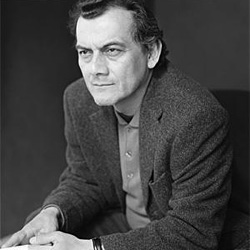 One night in the summer of 1997—a week after the publication of his third novel, Revulsion: Thomas Bernhard in San Salvador—Horacio Castellanos Moya’s mother received a midnight phone call: “We’re going to kill your son.”
The message was a wake-up call not just for Castellanos Moya’s mother, but also for a writer who, like many of his peers, had hoped the conclusion of his country’s civil war might usher in a new era of dialogue and peace. In twelve years of violence, from 1980 to 1992, armed conflict between leftist guerrillas, the Farabundo Martí National Liberation Front (FMLN), and an arch-conservative party of merchants and military men, Alianza Republicana Nacionalista (ARENA), had nearly beaten the nation’s collective head into a coma: right-wing death squads raped nuns and gunned downed priests in their pulpits; college students dropped their books so they could shoot at each other with automatic rifles; revolutionary leaders, in a paroxysm of passion and confusion, executed the country’s beloved revolutionary poet, Roque Dalton; the tortured bodies of peasants who’d supported the wrong side appeared regularly on rural roads. Seventy-five thousand graves were dug during those twelve years.
Despite the signing of peace accords in 1992, in the years following the civil war many more bodies were still to be buried—a result of soaring poverty, rampant crime, and gang violence, one of the most corrupt military and police forces in the world, and politicians who still seemed trapped in a state-of-siege mentality. Receiving threatening phone calls in the years after the war, says Castellanos Moya, “did not make you special.”
Born in 1957 in Tegucigalpa, Honduras, Castellanos Moya moved to San Salvador at the age of four and lived there until 1979, when he left to attend York University in Toronto. On a visit home to his mother in 1980, he got his first real taste of the violence of war. In downtown San Salvador one day, he recalls, he found himself at a demonstration of unarmed students and workers. He watched the massive procession from the sidewalk. Suddenly, snipers—government “security” officers—appeared on rooftops and opened fire on the marchers. At least twenty-one people were killed. Like many in the crowd, Castellanos Moya ran. He left El Salvador that March and did not go back to Canada to resume his studies. Instead, he traveled to Costa Rica and Mexico, where he found work as a journalist, writing sympathetically about the student and worker organizations that had joined forces to form the FMLN in the wake of the January massacre. But soon, as he supported the guerrillas and their rebellion from afar, he became disillusioned by violent in-fighting within the party and what he describes as its gradual “Stalinization.” In 1991, he returned to El Salvador to start a magazine, hoping to take advantage of the new space for dialogue he imagined would be opened by the end of the civil war. The right hated the publication, the left wanted nothing to do with it, he says. The magazine eventually folded.
In nine novels, written in rented rooms and friends’ apartments as he worked as a journalist abroad, Castellanos Moya has voiced the sense of loss and frustration felt by an entire generation of Latin Americans in the aftermath of the revolutionary conflicts of the nineteen eighties. From Senselessness

It was lines like these, in fact, that so enraged some Salvadorans they took to the nation’s op-ed pages and demanded the book be banned. They threw the novel out windows and into fires and onto trash heaps. They called up Castellanos Moya’s mother and told her they would kill her son. They convinced the author, finally, that in El Salvador there could be neither saviors nor critics. Nothing, Castellanos Moya thought, would ever change. And so once again he left the country, this time for good.
But this March 16, in an historic presidential election, something did change in El Salvador. Led by former journalist Mauricio Funes—a man who wears sleek sport coats in place of olive combat fatigues and who has commented on other nations’ civil wars as a wildly popular CNN en Español host, but has never fought in one himself—the FMLN accomplished what they were never able to do with guns: take power from ARENA. Now, Funes and the FMLN will inherit a country in which the terror of war has been replaced by the terror of constant crime, where gangs and political death squads slay civilians on the streets of San Salvador regularly, and the implementation of free-market policies like CAFTA have done little to bolster a national economy that provides less than half of the country’s population with adequate food or shelter. Will the party be able to save the country this time? What has changed since the civil war? What will the future hold for El Salvador?
I spoke with the acclaimed author by telephone the night after the election, from his apartment in Pittsburgh, where he’s lived since 2006 as part of a city-sponsored “Writer-In-Exile” program. When I called, he answered in a jovial voice that seemed at odds with the glowering author photos adorning the backs of his books. He was on a long-distance call with his mother in El Salvador, he said, could he call me back in twenty minutes? When I spoke with him later, he apologized and explained that even after twelve years of her son living in exile, “She still worries when the phone rings late at night.”
-Wes Enzinna for Guernica
Guernica: What was your mother’s reaction to the elections?
Horacio Castellanos Moya: Oh, she doesn’t care about politics.
Guernica: What was your reaction?
Horacio Castellanos Moya: I think the fact that ARENA accepted the results is incredible. I mean, wow. I was shocked they accepted defeat so easily.
Guernica: You were worried they might stage a coup, you mean? Or try to rig the results?
Horacio Castellanos Moya: Yes, it would not have surprised me. I mean, you’ve got to remember the history of ARENA. They’ve ruled the country for the past twenty years. The party was created by the core group of people responsible for creating the death squads; it was a kind of fascist party from the beginning. Of course, it’s changed a lot, they’ve brought in new faces, a lot of younger people, technicians, newer politicians with different ways of thinking… They’ve evolved a lot, but there is a kind of ideological element in the party that is still very fascist… I mean, have you heard their anthem? [Singing] El Salvador will be the tomb where the Reds meet their end!… I mean, that’s their anthem to this day.
Guernica: And what about the FMLN? They’re not exactly “reds” anymore, are they?
Horacio Castellanos Moya: Well, no. You have to remember that the FMLN was originally created as a kind of defensive organization. Any time there was an opposition party that wanted to fight for power through democratic means, the military destroyed this party, their leaders were tortured, their leaders were killed. This was the story in the thirties, in the forties, in the fifties and sixties. So it was very natural that in the seventies, after so many decades of not having any possibility of participation or winning an election, it was very normal when the new movement decided, okay, here there is no democratic way, the only way is to take weapons against these guys, because these guys only understand the language of weapons.
Guernica: But you were eventually disillusioned with the FMLN. How did that happen?
Horacio Castellanos Moya: The killing! ARENA, of course, was responsible for a lot more violence on the whole, but the FMLN committed their share, too. They were a guerilla army. And of course, you start to read… I started to learn about the history of the communism and all the killing of Stalin and how this system didn’t work… but, at the same time, you see that inside the FMLN, they had all these crises in their own ranks. In 1983, with what happened between [Ana Melinda] Montes and [Salvador Cayetano] Carpio [in January of that year, these two high-level FMLN commanders were killed in a bizarre murder/suicide after a doctrinal dispute within the party], I say, fuck, these guys are crazy. So that’s when I thought, wow, this is very easy to just to get the same kind of shit that you are criticizing of your enemy.
Guernica: And what about Roque Dalton? Were you aware of who he was before he was murdered? You had read his poetry already?
Horacio Castellanos Moya: Yes, of course. I mean the big contradiction for the Salvadoran writer of the seventies and eighties was the fact of belonging to the left and knowing that the left had—well, “the left” is a really general way of saying it—the left had an armed organization that had killed Dalton in a very horrible way, without any common sense around the killing, just passion and rivalry.
Guernica: And how has the FMLN changed between then and now?
Horacio Castellanos Moya: Well, the FMLN was created as a socialist organization, to build socialism—and by and large, the idea of socialism was defeated when the Soviet Union collapsed. It was a boon. Not only for them, it was a problem for all of the Latin American left. Their political identity, to say the least, was in crisis. Besides that, the FMLN has had so many factions, so many splits, and people have defected. For a long time, the party was controlled by a group of leaders that, for me, represented the worst creation of the old communist ideology, in the sense that these leaders were educated in the time of Brezhnev and they represented that old Stalinism. So I think the fact that in this election, the FMLN had the intelligence and the audacity of proposing Funes as their candidate, that could only happen because the old communists have died out. It’s a renovation of the party, a new attitude, a new openness. They are becoming a much more modern, contemporary leftist party. Now they are a lot more like Lula [da Silva] in Brazil or [Michelle] Bachelet in Chile, for example, than like Castro.
Guernica: Does this mean they’ve given up their effort to really change Salvadoran society, to redistribute wealth in some substantial way, for example? I was just listening to Funes’s acceptance speech and was surprised to hear him invoking liberation theology, talking about how the country was going to follow the “preferential option for the poor.”
Horacio Castellanos Moya: I don’t think there is going to be any attempt to redistribute wealth, no. The liberation theology stuff, I think, is just rhetoric. Of course, a big challenge for Funes is going to be with his own party, with the old guard members who are still committed to some of the revolutionary ideals of the civil war. But I think now they are a minority. What we’ll probably see instead is that [the FMLN] will actually try to tax the rich in the country. This is the big challenge for many societies that have been ruled by rightwing parties, fiscal reform, tax reform, because in those societies, rich people don’t pay taxes... I don’t know if you remember a couple years ago when all the Salvadoran banks were sold to international banks? They didn’t pay a single cent in taxes, because all the assets of the Salvadoran banks were registered as the property of entities in these little islands in the Caribbean. That’s the idea of “nation” these people have.
Guernica: What about Revulsion? What prompted you to write it? And why did you think Thomas Bernhard would be a suitable voice for describing these things about El Salvador, all these things you were frustrated with?
Horacio Castellanos Moya: This was the thing with Revulsion. I didn’t do any planning, just one day, the last day of 1995, it was six o’clock and I was just in a very bad mood, expecting to go to a New Year’s Eve party, and I was in Mexico at that moment and this kind of, this frustration that we were talking about, I started to write and at the time I had been reading Thomas Bernhard, and his voice had infected me, had infected my mind, so I thought, I’ll get it all out. So I wrote that book, in three weeks or something like that, and then I put it in my drawer. Three years later it was published. But I was not thinking about it; it wasn’t that I decided, “Bernhard is the voice for El Salvador!”
Guernica: But Vega’s criticisms of the country are so vivid, they’re sort of maniacally specific. I mean, it seems like they must have come easy to you as you were writing the book.
Horacio Castellanos Moya: Okay, well, when I was writing, I suddenly discovered not only that I had all these ideas in my head, but I discovered I had this character through whom I could tell all the biased prejudices, all the phobias, that I heard in El Salvador. This character is a kind of cocktail of every complaint I’ve ever had or heard about El Salvador. But people think that because of that book that I don’t like pupusas [a thick corn tortilla snack popular in El Salvador, which Vega describes as tasting like feces]. I like pupusas. Or they think I don’t eat chuco de canchas. I love chuco de canchas.
Guernica: What about your disappointment in the failure of the revolutionary promises of the eighties, especially your disappointment over the relationship between, I don’t know what you’d call it, the cultural and political left? I mean, that’s a theme in El asco [Revulsion], and in lots of your other books too, especially your first one [La diáspora, which tells the story of a group of young exiled Salvadoran intellectuals living in Mexico City].
Horacio Castellanos Moya: Yes, that is a great concern. For me and for others, we thought that the creation of new political movements, new political institutions, would open up the possibility of having democracy after the civil war. And at the same time, we thought this meant there was going to lead to a creation of cultural institutions that were going to create a new kind of society, right? We thought we could do that; we started a newspaper [Primera Plana, which ran from 1994-1995]. But after a few years, we discovered that Salvadoran society was just exhausted, there was nothing new in a cultural way. We tried to do things in a new way, but the political forces, on the left and the right, they ignored us, they didn’t want to have anything to do with us. They just wanted to share the cake. So all the things we thought about how peoples’ consciousnesses might be changed, well, it wasn’t true, not only in El Salvador, but everywhere—it doesn’t happen like that in society. I think we were very naïve. So that’s the frustration.
Guernica: That seems to be a core experience of your generation of Latin American writers… I’m thinking of Élmer Mendoza or Rafael Menjívar Ochoa, who seem to have similar experiences of political disenchantment or exile. And Roberto Bolaño, too, of course. You were friends with Bolaño, right?
Horacio Castellanos Moya: Yes, a little bit. We exchanged letters. He said some very nice things about my books. Of course, his books are incredible.
Guernica: Would you say that you feel like part of a particular generation of Latin American writers? And what are the primary concerns of your generation?
Horacio Castellanos Moya: Yes, I think that I am part of that generation of Latin American writers who still had a kind of political approach to our societies, we supported the forces of change in those societies. For us, we wanted to create a new kind of society but politics were just a little bit of that, politics was just a little part. We were very disappointed that the political revolutions didn’t mean that, well, they didn’t mean the total change of society we wanted, they didn’t mean the change of peoples’ mentalities. After all these political conflicts ended, we said, why? What was all this for?
Guernica: How do you respond to that in literary terms?
Horacio Castellanos Moya: Well, that’s the big challenge, I don’t know. Everyone tries to do their own work on that. It just happens to you, you have to have your own way…
Guernica: But what about in specific ways? I mean, specific attempts to deal with the new political realities, or the loss of old political ideas, in formal terms—for instance, the turn in recent years away from testimonio literature, or the turn away from magical realism? How were these shifts an attempt to deal with the failure of revolutionary politics, or how did they come out of your experience of disillusionment, how were they formal responses?
Horacio Castellanos Moya: That was very important. In terms of magical realism, I think that the Latin American writers of my generation, we are much closer to American writers in the sense of how we understand the world and what we talk about, than we are to magical realism. The universe or the world that García Márquez describes, for me it’s like he’s talking about Africa or Persia. I’m much closer to literature that has to do with Los Angeles or some other American city than I am to Macondo. I mean, what does our reality have to do with magical realism? Our reality has not been magical.
But testimonio literature [the most famous example of which is probably I, Rigoberta Menchú, an autobiography written by the indigenous Guatemalan guerrilla, Rigoberta Menchú], of course, was a very important genre of the seventies and eighties. But for my generation of writers, we thought that testimonio had become a kind of new church, a new genre, that you were supposed to write if you were political, and you were supposed to believe in the truth of these novels, the literal truth… Why? Because the backbone of testimonio is historical truth. You know, “I was the victim, and I suffered that, and you have to hear me, and once you hear me, you will accept or adopt my political position, and my story is the truth.” And what was our reaction? We rejected all this. We rejected this type of narrative.
Guernica: But what was the problem you saw with it? Did you think there was some connection between this type of writing, this claim to truth-telling and the way it was being used, and the way revolutionary politics were done in the eighties, the way parties put forth their own narratives, revolutionary parties trying to sell you, trying to convince you, with their ideology? Did they seem like they were trying to tell the same types of narratives?
Horacio Castellanos Moya: Yes. Exactly. What we realized was that reality is more complex… There is not one true narrative… It’s when you believe that there is, believe it totally, that’s when you end up with problems.
Guernica: And this, for you, was a new problem in literature, right? I mean, at this time, there was plenty of suspicion about the truth-telling narratives that were represented by something like testimonio, and maybe by modernism in general, and yet you weren’t trying to not do it in an apolitical fashion, or removed from immediate political concerns, in the way that the American postmodernists like maybe Barth or Coover or whoever were doing it. So you were trying to respond in your work to the problems created by the crisis in modernism and realism, but also trying to do it with some of the immediate political concerns still intact?
Horacio Castellanos Moya: That’s the challenge for me, yes, because what I’m trying to say in my work is, we have this kind of society, we have these kinds of political problems, with this kind of deep injustice, this is the kind of society we have. And I’m going to create fiction based on this kind of society, but who are the goods and who are the bads, it doesn’t depend on which party they belong to… In fiction, you deal with each character as a human being, you value them because of their particular motivations and passions, and not just because of ideology. Testimonio wanted to assign value to people based on their ideology. The value of testimonio is based on ideology. And it was the same with revolutionary politics. Both were ways of understanding reality and there was a problem with the way we interpreted reality in our literature, and the way we interpreted reality with our politics, and the way we interpreted reality in our heads… They were all connected.
Guernica: And so does Funes’s election in some way represent a break with this old way of understanding things, a break with the old ideologies? Is there some correspondence there, between what’s happened in the literature and what’s happened in politics?
Horacio Castellanos Moya: Well, maybe. Salvadoran society has experienced two different historical periods in the last thirty years. Twelve years of civil war, and then eighteen years of post-war malaise—I don’t know exactly what you’d call it—but not democracy. Remember, ARENA was created in order to fight communism, not to create democracy. And the FMLN was formed to make socialism, not to create democracy. Funes is, I suppose, a sort of compromise—he’s trying to open a new kind of stage of history, maybe doing away with ideology. He represents, I hope, a new way of looking at things. A new way, maybe, of being plural. But you’ve got to take into account that, in this election, 51 percent voted for Funes, but 49 percent voted against him. So we shouldn’t overestimate how much things have changed.
(Entrevista de Wes Enzinna. Publicado en Guernica-a magazine of art and politics)
Suscribirse a:
Entradas (Atom)